


















Why We Can't Ignore Automation Anymore:
Let's be honest: nobody got into software development because they love repetitive testing. Yet here we are, running the same test scenarios after every code change, hoping nothing breaks. Software Testing Automation isn't just a fancy buzzword. For my team, it was the difference between weekend deployment emergencies and having a work-life balance. We use pre-scripted tests that run automatically through reliable software testing automation tools, catching issues before they ever reach production and before our customers find them. Whether you're working on a simple website or an enterprise system with hundreds of microservices, good automation practices can be transformative. But the key is knowing where to start.
How to Choose the Right Software Testing Automation Tool for Your Project?
I've seen companies waste thousands on testing tools that ended up abandoned within months. Here's what I've learned about choosing tools that stick:
Start with your project's actual needs.
Ask yourself:
- What are we building? A mobile app needs different tools from a web platform.
- Which tech stack are we using? Your framework choices directly impact which testing tools will integrate smoothly.
- How much coverage do we realistically need? 100% test coverage sounds great, but it is rarely practical.
- What's our timeline? Some tools require significant setup time before delivering value.
Compatibility matters more than feature lists:
The most feature-rich testing platform is useless if it doesn't work with your tech stack. I learned this the hard way after spending weeks configuring a tool that ultimately couldn't handle our React components properly. For web apps, software testing tools for web applications like Selenium and Cypress have served my teams well. Mobile testing often means Appium or Espresso. The right choice depends entirely on your specific environment.
Consider the learning curve:
Your testing tool is only as good as your team's ability to use it. I've seen brilliant developers struggle with overcomplicated testing frameworks.
Look for tools with:
- Clear documentation that doesn't assume expert knowledge
- Active communities where you can get help
- Tutorials that match your use cases
Plan for Growth:
The testing approach that works for your MVP likely won't scale to the enterprise level. Choose tools that can grow with you, supporting both small test batches and massive regression suites as needed.
CI/CD integration is non-negotiable:
Modern development demands software testing management tools that fit into continuous integration pipelines. Make sure whatever tool you choose plays nicely with Jenkins, GitLab, or your CI platform of choice.
Some of the "free" tools I've used ended up costing more in maintenance and training than paid solutions would have. Consider:
- Will you need dedicated expertise to maintain these tests?
- How often are updates released?
- Is professional support available when things go wrong?
Leveraging Artificial Intelligence to Optimize Software Testing:-
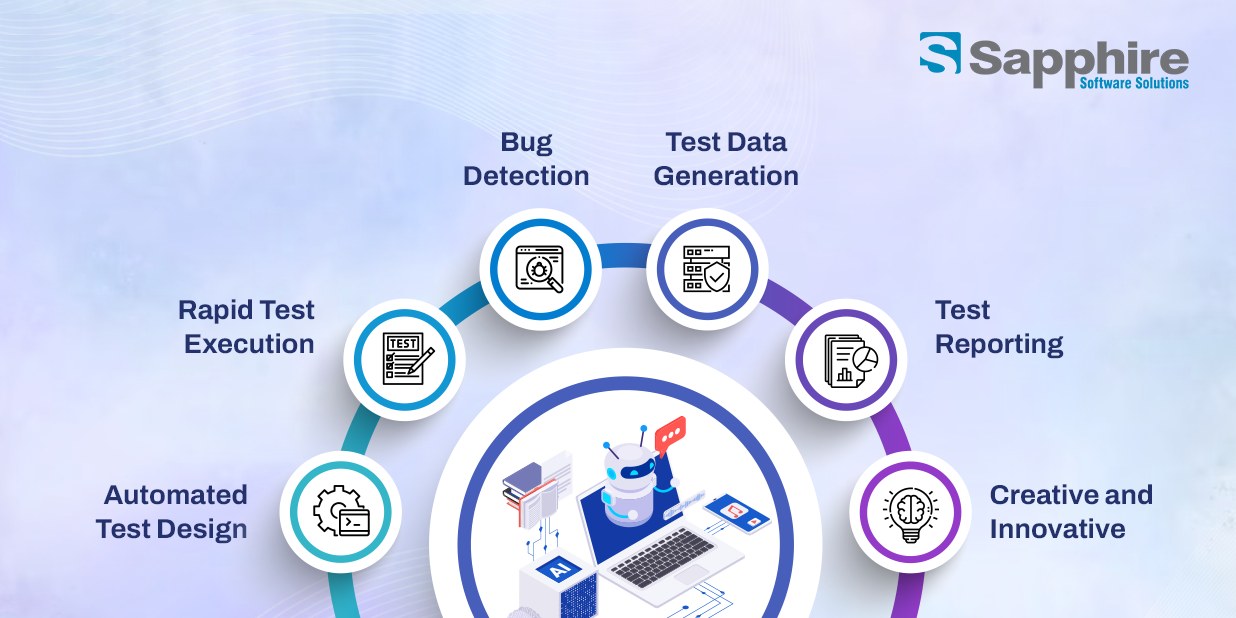
Software testing and artificial intelligence are converging in powerful ways. AI isn't replacing human testers anytime soon, but it's changing how we approach testing efficiency.
1. Smarter test creation:
The most time-consuming part of automation has always been writing the tests themselves. AI systems can now analyze application behavior and suggest test cases that might have been overlooked. This doesn't replace human creativity but amplifies it, helping identify edge cases that might otherwise slip through.
2. Prioritizing what matters:
Not all tests are created equal. I've worked with systems that run thousands of automated tests, but only a small percentage routinely catch issues. AI helps identify which tests deserve priority execution based on historical data and recent code changes.
3. Finding patterns humans miss:
Machine learning excels at pattern recognition across massive datasets. By training models on past defects, newer AI-powered testing tools can spot subtle anomalies that might indicate problems, often before they're obvious to human reviewers.
4. Making regression testing less painful:
Every developer knows the dread of making a small change only to discover it broke something seemingly unrelated. AI can now help determine exactly which regression tests need to run based on code changes, rather than running the entire suite every time. These advancements don't make testing "automatic" in the set-it-and-forget-it sense, but they do make human testers dramatically more effective.
Software Testing Manual vs Automation: Which Should You Choose?
The testing debate isn't about choosing sides—it's about knowing when each approach makes sense. After years of trial and error, here's my take:
When manual testing still shines:
- Early exploratory testing when requirements are still fluid
- Usability testing where human judgment is essential ("Does this feel intuitive?")
- One-off scenarios that rarely need repeating
- Visual validation that automated tools often miss
- Projects with tight budgets and extremely limited scope
I still remember watching a user test our "perfectly designed" interface, only to struggle with tasks we thought were obvious. No automation would have caught those insights.
When automation becomes essential:
- Repetitive regression testing after each build
- Performance testing under various load conditions
- Cross-browser and cross-device compatibility testing
- Data-driven scenarios requiring multiple iterations
- Complex workflows that must be tested consistently
My team once had a manual regression cycle that took three full days. After automation, those same tests ran in under an hour, with more consistent results. The reality? Most successful teams use both approaches strategically. Automation handles predictable, repeatable tests, freeing humans to focus on exploratory testing and creative problem-solving.

Exploring Testing Automation Types: Unit, Functional, Regression, and More
Unit Testing: The Foundation
Unit tests check individual components in isolation—the building blocks of your application. When a developer on my team commits code, unit tests run automatically to verify that each function behaves as expected. Tools like JUnit and Jest make this relatively straightforward. The real benefit? Unit tests catch issues early when they're still inexpensive to fix. They're fast, focused, and fundamental to any solid testing strategy.
Functional Testing: Validating User Journeys
While unit tests verify that components work independently, functional tests ensure they work together properly. These tests validate specific features from a user's perspective, like completing a purchase or submitting a form.
I've found Selenium invaluable for web applications, allowing us to script and automate browser interactions just as a real user would experience them.
Regression Testing: Preventing Backward Slides
Every developer has experienced the frustration of fixing one bug only to inadvertently create another. Regression tests guard against this by verifying that previously working functionality still works after changes. Automation is practically mandatory here—running comprehensive regression tests manually after each change simply isn't sustainable as projects grow.
Load and Performance Testing: Preparing for Success
Nothing kills user confidence faster than a system that crashes under pressure. Load testing simulates heavy usage to identify bottlenecks before users encounter them. Tools like JMeter allow you to script realistic user loads, helping identify how many concurrent users your system can support, not just how many you hope it will.
Acceptance Testing: The Final Check
The ultimate test is whether your application meets the actual business requirements. Acceptance tests verify that the software delivers the value it was designed to provide. These tests often involve collaboration between developers, QA, and business stakeholders to ensure the final product solves the intended problem.
How Automated Quality Assurance is Revolutionizing Software Testing?
The shift toward automation has fundamentally changed how we approach quality:
1. From gatekeepers to enablers:
Traditional QA teams were often seen as the final checkpoint before release, sometimes creating bottlenecks. Modern automated QA integrates throughout the development process, providing continuous feedback rather than end-stage approval.
2. Faster feedback loops:
With automated tests running on every commit, developers get immediate feedback on potential issues. This rapid response means problems get fixed while the code is still fresh in the developer's mind, not weeks later when context has been lost.
3. More reliable releases:
Manual processes are inherently inconsistent. Automated testing ensures that every release undergoes identical validation, dramatically reducing the "it works on my machine" syndrome that plagued earlier development approaches.
4. Broader test coverage:
Time constraints often limited manual testing to the most critical paths. Automation allows for comprehensive testing of edge cases and alternate scenarios that might otherwise go unexamined.
The result is faster development cycles with higher quality outcomes—the holy grail of modern software development.
Why Choose Sapphire for Software Testing Automation Services?
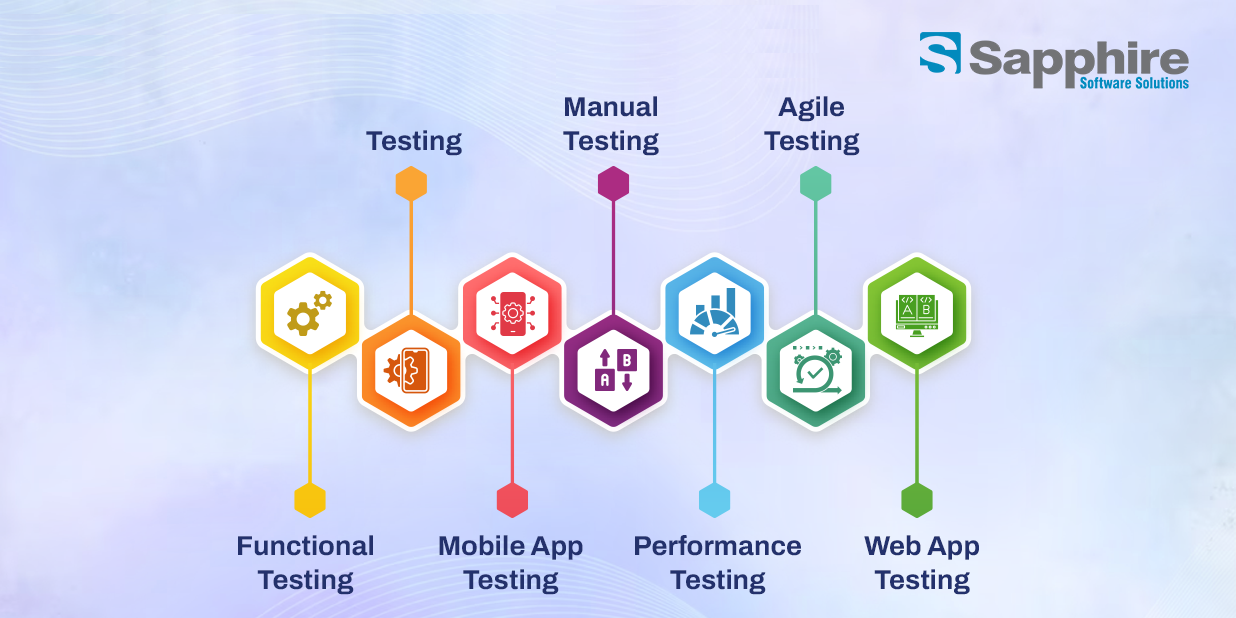
When it comes to Software Testing Automation Services, Sapphire stands out as an ideal partner. Here's why:
- Deep expertise with a wide range of software automation testing tools
- A tailored approach to testing that aligns with your specific technology stack
- Comprehensive experience across multiple testing automation types
- Ongoing support and knowledge transfer that builds your internal testing capabilities
Maximize productivity & minimize downtime by integrating automation into software testing
At Sapphire Software Solutions, we don't just implement tests partner with you to establish sustainable, scalable automated quality assurance practices that grow with your business. Software Testing Automation isn't a luxury anymore it's a requirement for teams that want to maintain quality while keeping pace with today's accelerated development cycles. The key is finding the right balance of software testing automation tools, approaches, and expertise for your specific needs.