Imagine this: After months of hard work, brainstorming, designing, coding, and testing, you finally launch your new web
app. You’re thrilled, your marketing team is celebrating, and users are flooding in. But within minutes, things start to fall apart. The site
slows down, pages refuse to load, and your inbox is full of complaints. Users start dropping off. And with them? Your hard-earned trust,
revenue, and brand credibility. Unfortunately, this isn’t a rare horror story. It’s a very real outcome for startups that skip one crucial step,
load testing.
In today’s fast-paced digital ecosystem, where even a second delay can push users to competitors, load testing in software testing isn’t a luxury; it’s a necessity. This blog breaks down everything startups need to know about load testing, from understanding the basics to picking the right tools and partners to get it done right.
Read moreRead
less
What Is Load Testing and Why Startups Must Care?
Let’s break it down. Load testing for a web application is the process of putting your app under simulated user
traffic to observe how it performs under pressure. Think of it like a stress rehearsal—you test how your app behaves when hit with hundreds,
thousands, or even millions of users before the real audience arrives.
Startups often live on the edge—every user matters, and one bad experience can spiral into lost customers and
negative reviews. That’s why load testing in software testing is non-negotiable.
It allows you to:
- Spot bottlenecks before your users do
- Gauge server and application performance under stress
- Understand what your real user limits are
- Prepare for traffic spikes during launches or promotions
Common Myths Debunked
- “It’s only for big apps.” Nope. If you’re expecting more than ten
users at a time, you need it.
- “We’ll do it after launch.” Too late. Post-launch testing is damage
control, not prevention.
If your app crashes at the wrong moment, it could be game over. Smart startups test their website early—and often.
Read moreRead
less
How to Conduct Load Testing for Your Web App?
So, you’re convinced, but now you’re wondering: how do I achieve this, especially if I don’t have a big QA or DevOps team?
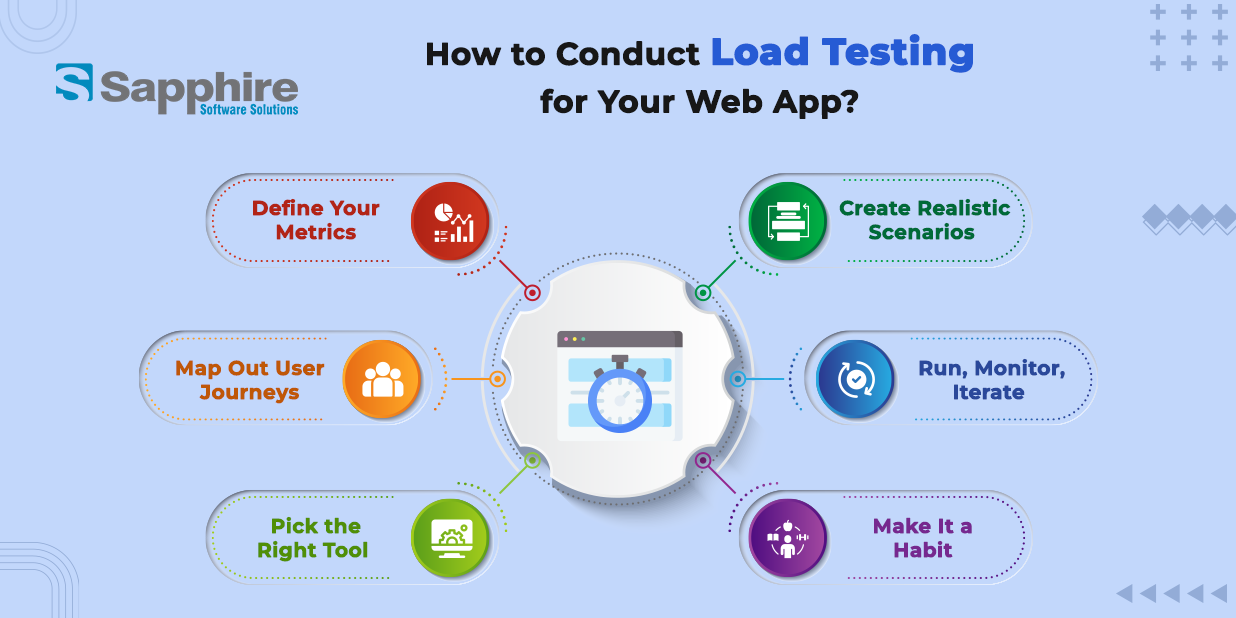
Here’s a realistic, startup-friendly step-by-step approach to load test your web app:
- Define Your Metrics: What are you measuring? Common KPIs include
response time, max concurrent users, throughput, and resource usage like CPU or memory.
- Map Out User Journeys: Focus on the flows that matter most—logins,
checkouts, data uploads. Prioritize what real users will use frequently.
- Pick the Right Tool: From load
testing open-source tools like JMeter to commercial platforms like BlazeMeter, choose based on your
budget and tech stack.
- Create Realistic Scenarios: Simulate user behavior patterns—some
browsing, others idle, some refreshing rapidly. Mimic peak traffic.
- Run, Monitor, Iterate: Execute the test, monitor app behavior, identify
weak spots, fix them, and re-test. Rinse and repeat.
- Make It a Habit: Include load
testing as part of your continuous integration process. Every new feature or version should go through
the test gauntlet.
This isn’t a one-time job—it’s a part of being a startup that’s serious about growth and reliability.
Read moreRead
less
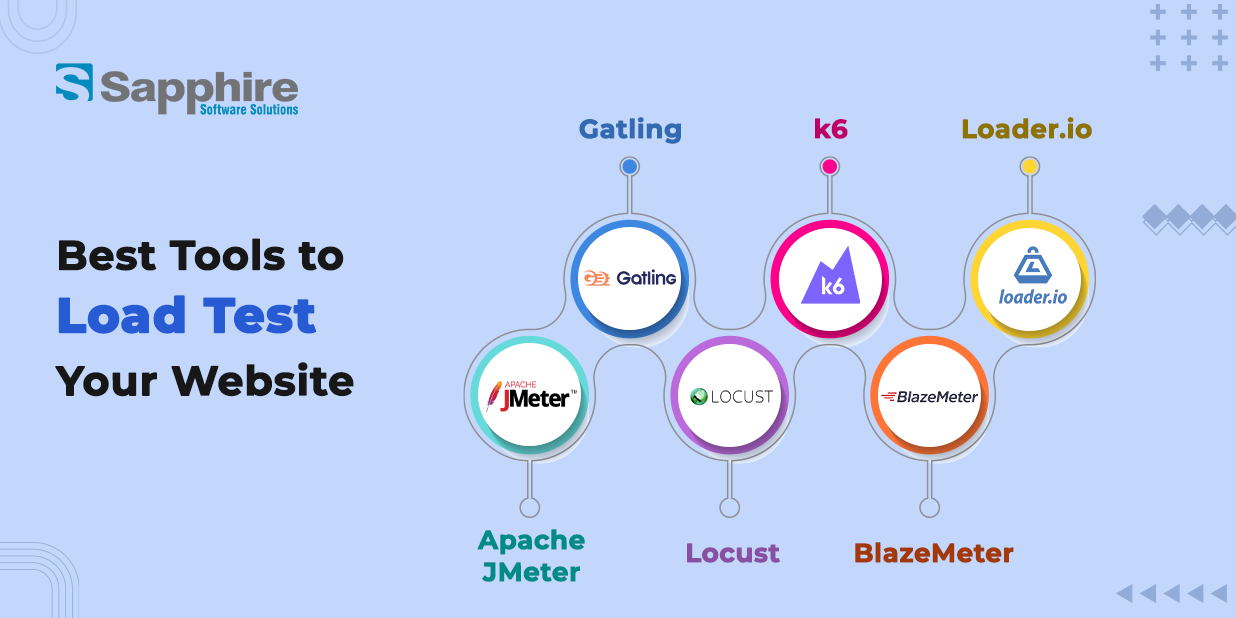
Choosing the right tool can make or break your load testing efforts. Here are some of the best tools, both free and paid, to consider:
- Apache JMeter: One of the most popular open-source load testing tools. Great for web apps, APIs, and support for various protocols.
- Gatling: Developer-friendly with Scala-based DSL. Ideal for those who
want scripting power and live metrics.
- Locust: A favorite among Python developers. If you’re
into load testing Python applications, this one is for
you.
- k6: Written in JavaScript and designed for automation pipelines.
Lightweight and highly scalable.
- BlazeMeter: Built on top of JMeter, but adds cloud functionality,
reporting, and enterprise-grade features.
- Loader.io: Simple, fast, and cloud-based—perfect for quick checks and
small-scale testing.
When selecting, consider ease of use, tech compatibility, community support, and cost. For startups, free tools can
go a long way—but don’t shy away from investing in tools that save time and offer richer insights.
Read moreRead
less
Cloud-Based Load Testing: Azure vs AWS
As your app grows, cloud-based load testing
becomes a no-brainer. But when it comes to choosing between Azure Load Testing and AWS Load Testing, which one fits your
startup better?
Load Testing Azure:
Microsoft’s Azure Load Testing offers a
fully managed experience:
- Seamless integration with CI/CD pipelines
- Scalable testing environments
- Real-time analytics and diagnostic tools
- Deep connection with other Azure services
Great for startups already on Azure or using Microsoft tools.
Load Testing AWS:
Amazon’s ecosystem offers a wider variety of customizable tools:
- Distributed Load Testing on AWS
- Integration with Fargate, Lambda, or BlazeMeter
- Flexible and scalable infrastructure
Ideal for startups that already rely on AWS
or need extreme customization.
Real-World Outcomes:
- One fintech startup used Azure Load Testing to ensure stability during their
investor launch demo—no hiccups, just smooth sailing.
- An e-commerce company handled triple their
traffic during holiday sales thanks to AWS-based load testing.
Both platforms are excellent, but the right choice depends on your existing stack and future scaling goals.
Read moreRead
less
Why Partnering with a Load Testing Company Like
Sapphire Can Save Your Startup?
We get it, load testing sounds great, but
your teams are already stretched thin. That’s where a partner like Sapphire Software
Solutions comes in.
Why Outsource?
- End-to-End Expertise: From defining metrics to fixing bottlenecks, we handle it all.
- Latest Tools & Tech: We stay updated with the best load testing
open-source tools and commercial suites.
- Startup-Focused Approach: We understand lean teams, fast pivots, and tight timelines.
- Collaborative Fixes: We don’t just tell you what’s wrong—we help fix it.
- Post-Launch Monitoring: Ongoing support so your app stays stable even after launch day.
Read moreRead
less
Why Sapphire Software Solutions?
With 20+ years in the industry, 1500+ projects, and experience across startups and enterprises, Sapphire Software Solutions is the partner you can trust. We help you load test your
website, interpret results, and make the changes that matter.
Read moreRead
less
Conclusion:
Startups don’t get second chances when their app crashes. In this digital-first world, load testing in software testing is not a technical checkbox—it’s business
insurance. From spotting performance cracks early to making your app launch bulletproof, load
testing is one of the smartest investments your startup can make. And you don’t have to do it alone.
Whether you’re using load testing open-source tools or going the
enterprise route, Sapphire is here to help you scale safely, confidently, and efficiently.
Load test your website now—before your users do it for you.
Read moreRead
less
Kumaril Patel is the CEO & Co-Founder of Sapphire Software Solutions, a global technology company specializing in software, mobile app, and web development. With over 20 years of diverse IT leadership, he has built international business operations from the ground up and led the leading flagship digital platforms such as Vidyalaya School Management System and OccuCare Occupational Health Management System.
Kumaril is known for transforming ideas into high-impact technology solutions—leading cross-functional global teams and building innovation-driven ecosystems. His strategic vision has enabled long-standing collaborations with global enterprises including American Express, Bayer, TATA Group, Adani Group, Larsen & Toubro, Honda, Toyota and Vedanta Limited.
Passionate about innovation, AI, and cloud technologies, Kumaril focuses on empowering organizations to scale globally while solving real-world challenges through transformative digital solutions.