
















Customer experience has become the real battlefield for IT businesses. Today’s customers don’t just compare products or prices—they compare how fast, how personal, and how effortless their interactions feel. Long wait times, repetitive queries, and impersonal support are no longer acceptable in a world driven by instant digital engagement.
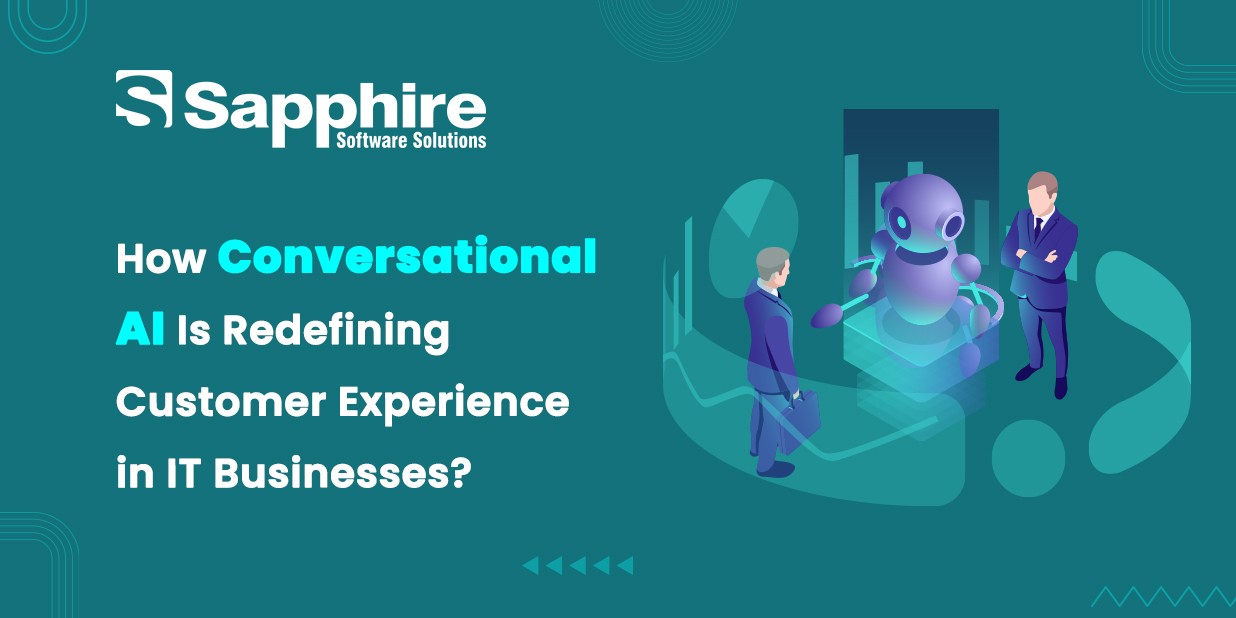
This is where Conversational AI enters the picture as a game-changer. By enabling businesses to communicate with customers in natural, human-like conversations, IT companies are reshaping how support, sales, and service interactions are delivered. From intelligent chatbots to voice-enabled virtual assistants, conversational systems are helping organizations stay available 24/7 while scaling operations efficiently
What Is Conversational AI?
At its core, it refers to technology that enables machines to interact with humans using natural language—whether through text or voice. Unlike traditional rule-based chatbots, conversational systems can understand intent, manage context, and respond intelligently across multiple turns of conversation.
These systems are designed to simulate real human dialogue. They don’t just recognize keywords; they interpret meaning, sentiment, or even ambiguity. This allows businesses to offer more natural and intuitive interactions, making digital conversations feel less transactional and more personal. In IT businesses, conversational intelligence has evolved into a strategic asset—bridging the gap between automation and human connection.
How Conversational AI Works?
Behind every intelligent conversation lies a powerful combination of technologies working together in real time.
First, Natural Language Processing (NLP) enables systems to understand human language as it’s spoken or typed. Then, Natural Language Understanding (NLU) interprets user intent, identifying what the user wants rather than just what they say. Machine learning models continuously improve responses by learning from previous interactions, while dialogue management systems ensure conversations flow logically.
Advanced systems also integrate with CRMs, databases, and enterprise tools, allowing them to retrieve accurate information instantly. Over time, the AI adapts user behavior, preferences, and business-specific workflows—making interactions smarter and faster with every exchange.
Role of Conversational AI in Customer Experience:
Customer experience is the heart of business success, especially in IT-driven sectors where clients demand instant and reliable support. Conversational AI assistants play a crucial role in reshaping customer experience by offering:
- 24/7 Availability: Customers no longer need to wait for business hours. AI assistants are always online, ensuring queries are resolved in real-time.
- Personalization: Advanced Conversational AI systems analyze past interactions and preferences to provide tailored solutions.
- Instant Issue Resolution: Routine queries and complex problems can be addressed quickly, reducing customer frustration and improving satisfaction.
- Consistency Across Channels: Whether customers interact via web, mobile, or social media, Conversational AI ensures consistent messaging and service quality.
By automating routine tasks while maintaining human-like interactions, IT businesses can free up human agents to focus on high-value engagements, thereby improving overall customer experience.
Conversational AI Platforms: Key Features and Capabilities
To implement Conversational AI effectively, businesses rely on robust Conversational AI platforms that offer diverse features:
- Natural Language Understanding (NLU): Helps the AI comprehend context and intent behind queries.
- Multi-Channel Support: Enables consistent interaction across websites, mobile apps, messaging apps, and voice assistants.
- Integration Capabilities: Connects with CRMs, ERP systems, and knowledge bases for seamless workflow.
- Analytics and Reporting: Tracks user behavior, AI performance, and satisfaction metrics to optimize responses.
- Adaptive Learning: Continuously improves with each interaction through machine learning algorithms.
These features make Conversational AI solutions highly adaptable for IT companies, allowing them to scale support operations without compromising quality or responsiveness.
Conversational AI Use Cases Across Industries:
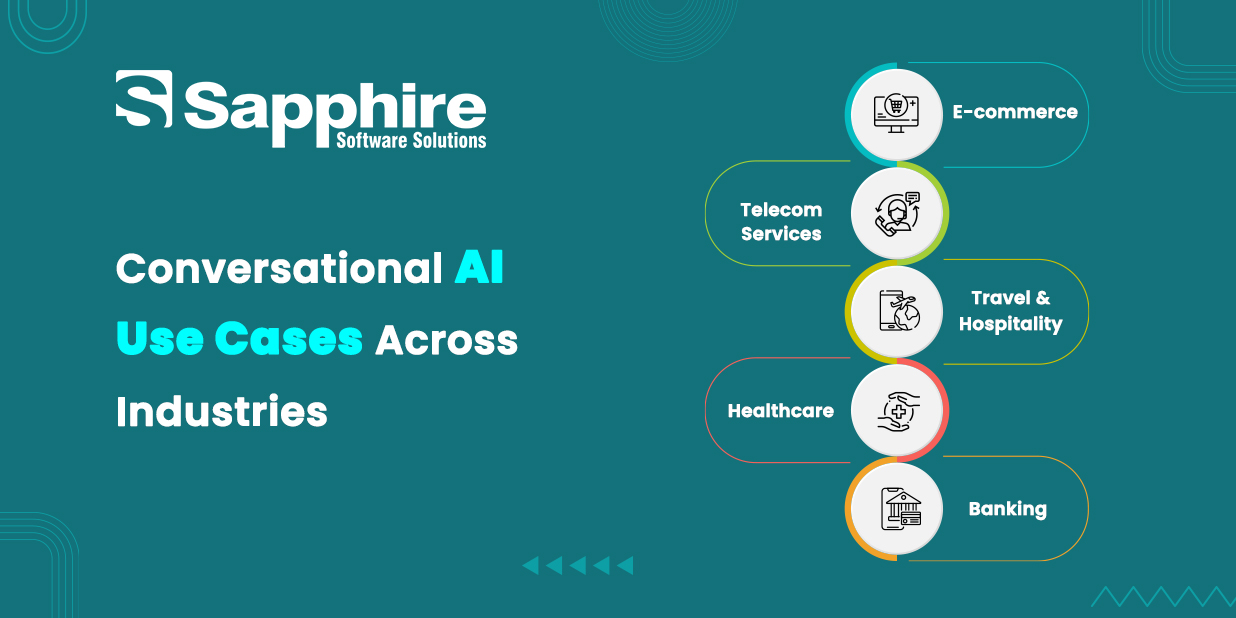
The power of Conversational AI is not limited to IT alone. Its applications span multiple industries, transforming customer interactions in profound ways.
- E-commerce: AI assistants help users find products, track orders, and provide personalized recommendations.
- Telecommunications: Automates troubleshooting and account management, reducing wait times and improving satisfaction.
- Travel & Hospitality: Assists in booking, itinerary updates, and real-time customer support.
- Healthcare: Provides patient engagement, appointment scheduling, and medication reminders.
- Banking: Facilitates account management, fraud detection, and customer inquiries efficiently.
By automating repetitive tasks while providing meaningful human-like interaction, Conversational AI for customer service has become indispensable across sectors.
Conversational AI in Healthcare:
Conversational AI in healthcare has emerged as a powerful tool for improving patient engagement and operational efficiency. From appointment scheduling and symptom checking to medication reminders, conversational systems are simplifying interactions between patients and healthcare providers.
By offering instant, reliable responses, healthcare organizations reduce administrative burden while enhancing accessibility. Patients feel supported around the clock, while providers gain more time to focus on critical care rather than repetitive inquiries.
Conversational AI in Banking:
Similarly, Conversational AI in banking has transformed how financial institutions interact with customers. From balance inquiries and transaction alerts to fraud detection and loan assistance, conversational systems provide secure, real-time support.
These intelligent interfaces help banks maintain compliance while delivering fast, personalized experiences. Customers no longer need to visit branches or wait on hold—banking becomes a conversation rather than a process.
Benefits of Conversational AI for IT Companies:
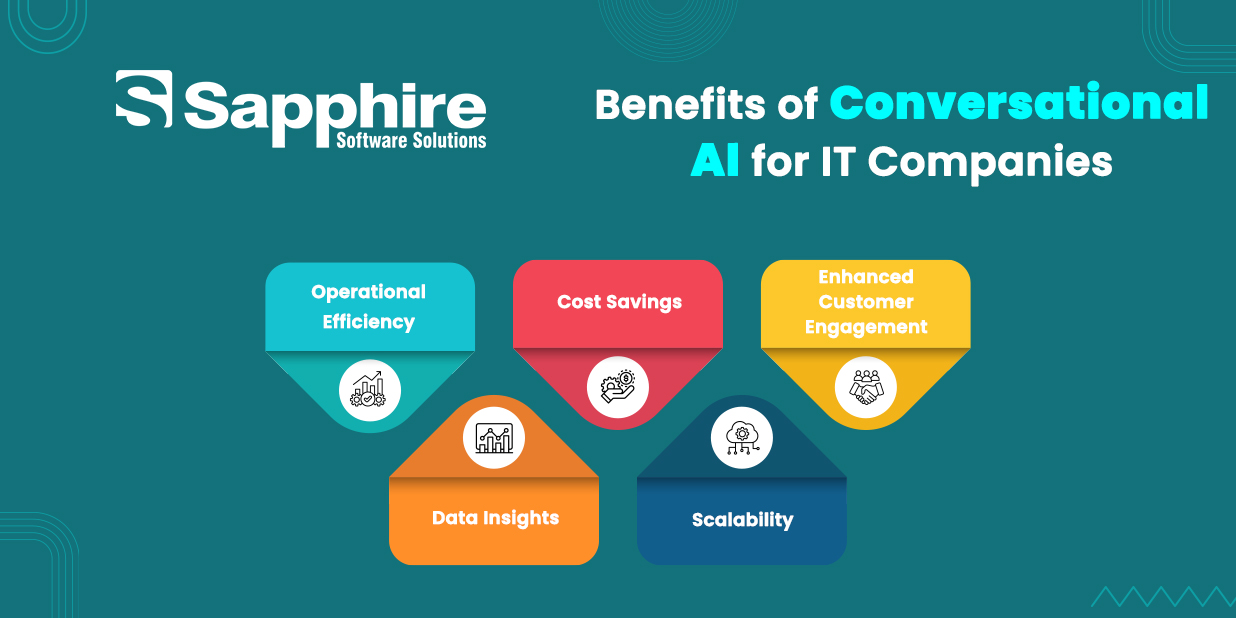
IT companies are among the primary beneficiaries of Conversational AI services, enjoying multiple advantages:
- Operational Efficiency: Automates repetitive queries, reducing the workload on support teams.
- Cost Savings: Minimizes the need for extensive customer service staff while maintaining high-quality support.
- Enhanced Customer Engagement: Personalized, responsive interactions increase customer satisfaction and loyalty.
- Data Insights: AI captures valuable data from customer interactions, informing product improvements and marketing strategies.
- Scalability: AI systems can manage growing customer volumes without compromising service quality.
Overall, implementing Conversational AI for IT businesses leads to a seamless, intelligent, and cost-effective customer experience framework.
Future Trends in Conversational AI:
The future of conversational intelligence is deeply human-centric. As models become more emotionally aware and contextually intelligent, conversations will feel increasingly natural and empathetic.
Voice-enabled systems, hyper-personalization, and multimodal interactions are set to redefine digital engagement. Businesses will rely on Conversational AI for customer service not just to solve problems, but to build long-term relationships rooted in trust and understanding. Ethical AI, data privacy, and transparency will also play a central role as adoption continues to grow across industries.
How a Conversational AI Development Company Like Sapphire Redefines Customer Experience?
A trusted Conversational AI Development Company like Sapphire Software Solutions approaches customer experience from a strategic perspective rather than a purely technical one. The focus is not just on building chatbots, but on creating intelligent ecosystems that align with business goals and user expectations.
Sapphire designs scalable, secure, and customized Conversational AI services tailored to specific IT workflows. By integrating conversational intelligence with enterprise systems, Sapphire helps businesses deliver seamless, context-aware interactions that feel genuinely human. Through continuous optimization, real-time analytics, and industry-specific expertise, Sapphire Software Solutions enables organizations to transform customer engagement into a competitive advantage—driving loyalty, efficiency, and long-term growth.
Conclusion:
Conversational intelligence is no longer a futuristic concept—it’s a present-day necessity. As digital interactions continue to dominate customer journeys, IT businesses must evolve beyond traditional support models. By embracing Conversational AI for business, organizations can create meaningful, efficient, and scalable customer experiences that resonate in a competitive marketplace. From healthcare and banking to enterprise IT services, conversational systems are redefining how businesses communicate, connect, and grow.
The companies that invest in intelligent, human-centered conversations today will be the ones shaping the customer experiences of tomorrow.