
















In today’s fast-paced digital landscape, businesses are under constant pressure to innovate, scale quickly, and stay ahead of competitors. Technology is no longer just a support function—it has become a core driver of growth, efficiency, and customer experience. As a result, companies must make strategic decisions about how they build and manage their IT capabilities.
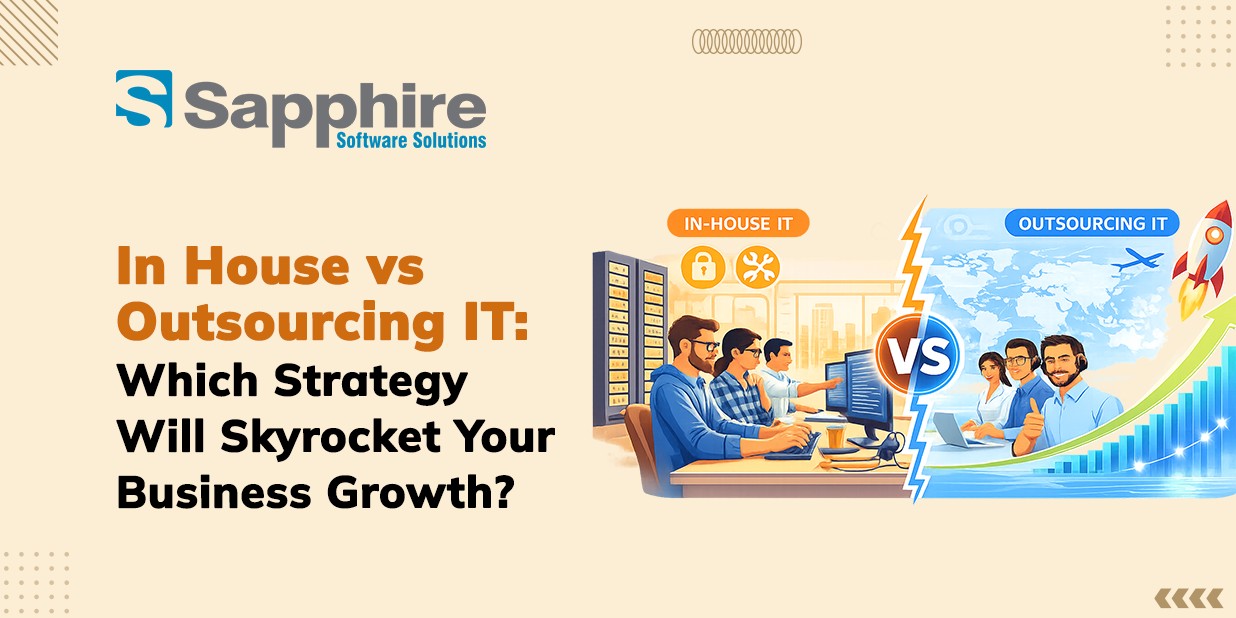
One of the most important decisions organizations face is whether to develop technology solutions internally or partner with external experts. The ongoing debate around In House vs Outsource has become more relevant than ever, especially as companies strive to balance cost, quality, and speed.
An in-house team offers control, alignment, and long-term consistency, while outsourcing provides flexibility, access to global talent, and faster execution. Both approaches have their place, but choosing the wrong one can lead to delays, increased costs, or missed opportunities.
For startups, this decision can determine how quickly they bring products to market. For enterprises, it can impact scalability and operational efficiency. In many cases, the choice is not black and white—it requires careful evaluation of business goals, resources, and project complexity.
In this blog, we’ll explore the key differences, advantages, and challenges of in-house development and outsourcing. By the end, you’ll have a clear understanding of which approach can help drive your business growth.
How to Decide Between In-House Teams and Outsourcing?
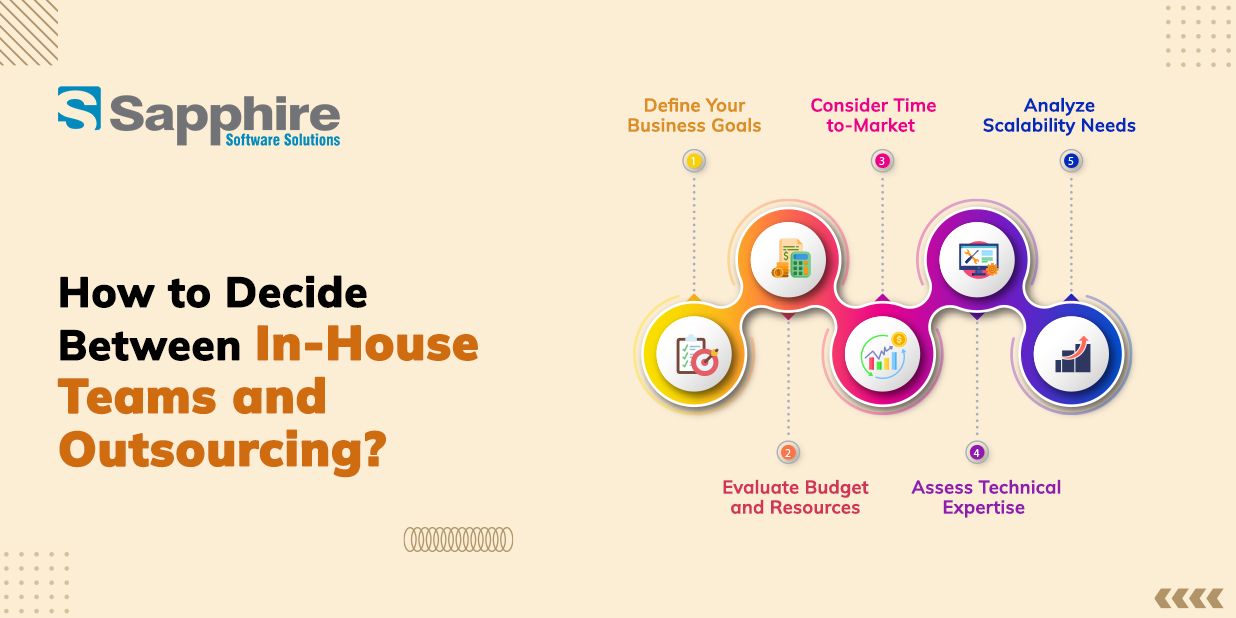
Making the right decision between internal development and external partnerships requires a structured approach. When analyzing In house vs Outsourcing, businesses must look beyond surface-level factors and focus on long-term impact.
- Define Your Business Goals: The first step is to understand what you want to achieve. Are you building a long-term product that requires continuous development, or do you need a short-term solution to address a specific problem? Long-term projects may benefit from in-house teams, while short-term or specialized projects are often better suited for outsourcing.
- Evaluate Budget and Resources: Hiring an in-house team involves high costs, including salaries, benefits, infrastructure, and training. On the other hand, outsourcing allows businesses to pay only for the services they need. This flexibility can be particularly beneficial for startups and small businesses with limited budgets.
- Consider Time-to-Market: Speed is critical in today’s competitive environment. Outsourcing partners often have ready-to-deploy teams, enabling faster project execution. In contrast, building an in-house team takes time, which may delay product launches.
- Assess Technical Expertise: Not every organization has access to the skills required for modern software development. Outsourcing provides access to a global talent pool, allowing businesses to work with experts in specific technologies.
- Analyze Scalability Needs: Business needs can change rapidly. Outsourcing offers the flexibility to scale up or down as required, while in-house teams may struggle to adapt quickly.
By carefully evaluating these factors, businesses can make a decision that aligns with their goals and ensures long-term success.
Pros and Cons of In-House vs Outsourcing
Understanding the In House vs Outsourcing pros and cons is essential for making an informed decision. Each approach has unique strengths and limitations that can influence your business outcomes.
Advantages of In-House Development:
In-house teams provide complete control over the development process. This ensures that projects align closely with business objectives and company culture.
Communication is another major advantage. Internal teams are easily accessible, enabling quick decision-making and smoother collaboration.
Additionally, in-house developers develop a deep understanding of your product, which can lead to better long-term consistency and innovation.
Disadvantages of In-House Development:
Despite its advantages, in-house development comes with high costs. Recruiting, training, and maintaining a team requires significant investment.
Scaling can also be a challenge. Hiring new developers takes time, which can slow down project timelines.
Advantages of Outsourcing:
Outsourcing offers access to a diverse pool of skilled professionals. Businesses can work with experts who have experience across different industries and technologies.
It also provides cost efficiency. By outsourcing, companies can avoid expenses related to infrastructure, training, and long-term salaries.
Outsourcing partners often have established workflows, which improve efficiency and reduce development time.
Disadvantages of Outsourcing:
However, outsourcing is not without challenges. Communication barriers may arise, especially when working with teams in different time zones.
There may also be concerns about data security and quality control if the partner is not carefully selected.
By weighing these pros and cons, businesses can determine the best approach for their specific needs.
In-House vs Outsourcing Software Development
When it comes to In House vs Outsource software development, the decision becomes even more critical because software plays a central role in business operations.
In-house development allows businesses to maintain full control over their projects. Teams can respond quickly to changes, ensure alignment with business goals, and maintain ownership of intellectual property.
However, this approach requires substantial investment. Hiring skilled developers, setting up infrastructure, and managing operations can be resource-intensive.
Outsourcing, on the other hand, provides a more flexible solution. Partnering with a Software Development Outsourcing Company allows businesses to access expertise without the overhead of building an internal team.
Outsourcing also enables faster scaling. Whether you need additional resources for a project or specialized skills, outsourcing partners can adapt to your requirements.
For many organizations, a hybrid approach works best. Combining in-house teams with outsourced expertise allows businesses to leverage the strengths of both models.
Outsourcing App Development: What to Look For?
Selecting the right outsourcing partner is crucial for success. A reliable Outsourcing App Development Company can significantly impact the quality and efficiency of your project.
- Experience and Expertise: Look for a company with a proven track record in app development. Their portfolio should reflect strong technical skills across relevant industries and technologies.
- Communication and Collaboration: Effective communication ensures smooth project execution and fewer misunderstandings. Choose a partner who provides regular updates and is responsive across channels.
- Scalability and Flexibility: Your business requirements may grow or change over time. A good partner should easily scale teams and adapt to evolving project needs.
- Security and Compliance: Data protection should be a top priority when outsourcing development. Ensure the company follows security standards and complies with industry regulations.
- Cost vs Value: Low cost does not always mean better outcomes in development projects. Focus on long-term value, quality, and reliability instead of just pricing.
- Development Process and Methodology: Understand whether the company follows Agile, Scrum, or other modern practices. Structured workflows ensure better transparency, faster delivery, and consistent results.
- Technical Support and Maintenance: Post-launch support is critical for app performance and updates. Choose a partner who offers ongoing maintenance and quick issue resolution.
- Time Zone and Availability: Working across time zones can impact communication and delivery speed. Select a team that offers overlapping working hours or flexible availability.
- Client Reviews and Testimonials: Feedback from previous clients gives insight into reliability and performance. Check reviews, ratings, and case studies before finalizing your decision.
- Cultural Compatibility: Shared work ethics and communication styles improve collaboration. A culturally aligned team ensures smoother interactions and better outcomes.
Why Sapphire Stands Out as a Leading Indian IT Outsourcing Company?
Sapphire Software Solutions has built a strong reputation as a trusted Indian IT Outsourcing Company, delivering high-quality solutions to clients worldwide. The company combines technical expertise with a customer-centric approach, making it a preferred partner for businesses of all sizes.
One of Sapphire’s key strengths is its experienced team of developers and consultants. The company brings together skilled professionals who understand both technology and business requirements.
Flexibility is another major advantage. Sapphire offers scalable solutions that can adapt to changing business needs, whether it’s a small project or a large enterprise system.
The company also emphasizes transparency and communication. Clients are kept informed at every stage of the development process, ensuring alignment and trust.
Additionally, Sapphire Software Solutions focuses on long-term partnerships rather than short-term projects. By understanding client goals and delivering consistent value, the company helps businesses achieve sustainable growth.
Conclusion:
The decision between in-house development and outsourcing is not just a technical choice—it is a strategic one that can shape the future of your business. Both approaches offer unique advantages, and the right choice depends on your specific needs, resources, and goals.
The debate around In House vs Outsourcing highlights the importance of finding the right balance. While in-house teams provide control and alignment, outsourcing offers flexibility and access to global expertise.
Ultimately, the key to success lies in making informed decisions and partnering with the right experts. By carefully evaluating your options and aligning your strategy with your business goals, you can build a development approach that drives growth, innovation, and long-term success.