
















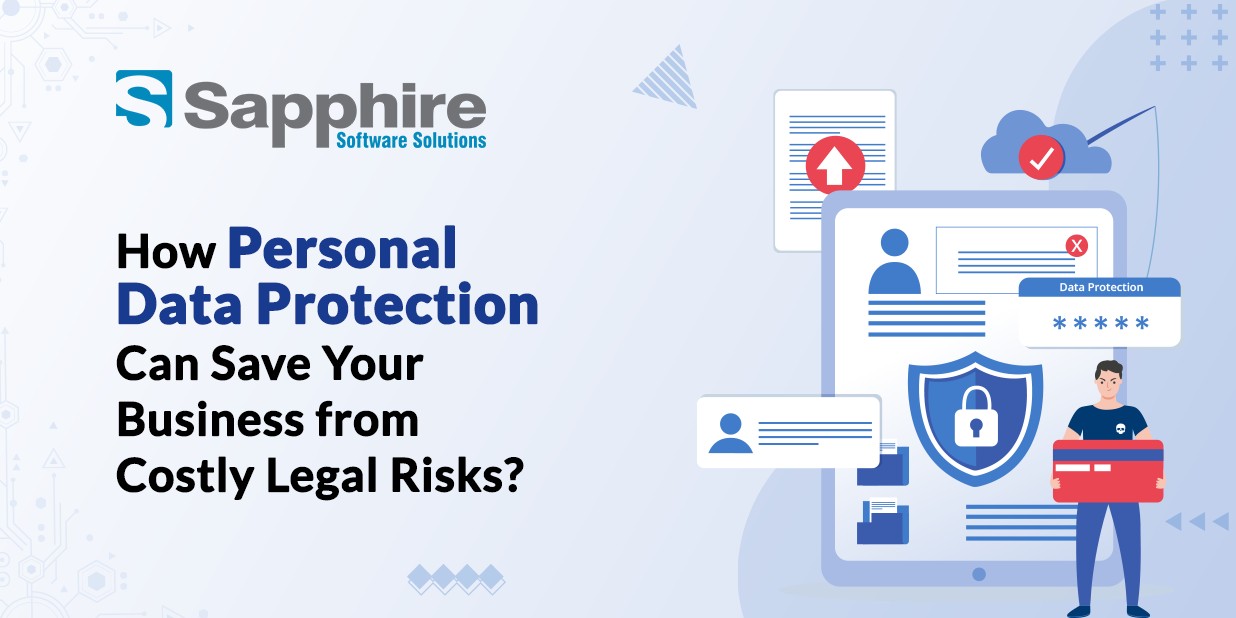
Data has quietly become one of the biggest legal liabilities for modern businesses. Every customer profile, transaction record, and employee dataset carries both strategic value and regulatory responsibility. As organizations increasingly depend on data to drive decisions, innovation, and competitive advantage, the consequences of mishandling personal information have grown significantly.
Rising data breaches, stricter privacy regulations, and heightened customer awareness have reshaped how businesses must approach data management. Governments worldwide now enforce rigorous data protection laws, while customers expect transparency and accountability in how their information is collected and used. For businesses of any size, failure to protect personal data can result in legal penalties, financial losses, and long-term reputational damage.
Personal Data Protection is no longer a compliance formality—it is a critical business safeguard. When aligned with secure analytics and Data Visualization Services, organizations can extract meaningful insights from data while maintaining privacy, security, and regulatory compliance. This balance allows businesses to minimize legal risk while confidently using data as a growth engine.
What Is Personal Data Protection and Why Is It Important for Businesses?
To understand its business impact, it is important to first clarify what personal data protection is. At its core, it refers to the responsible handling of information that can identify an individual, either directly or indirectly. This includes names, contact details, identification numbers, online identifiers, and any data that can be linked back to a person.
For businesses, protecting personal data is about preventing cyberattacks. It also involves defining how data is collected, who can access it, how long it is retained, and under what conditions it can be shared. When organizations fail to define these boundaries, they expose themselves to legal disputes and compliance violations.
As digital ecosystems expand, digital personal data protectionhas become especially critical. Businesses now collect information across websites, mobile applications, CRM systems, analytics tools, and cloud platforms. Without a structured approach, data can quickly become fragmented, duplicated, or misused.
Beyond legal obligations, protecting personal data builds trust. Customers are more likely to engage with brands that demonstrate transparency and accountability. In competitive markets, trust can be a decisive differentiator. Businesses that treat data responsibly are seen as reliable, ethical, and future-ready.
Legal Risks of Inadequate Personal Data Protection:-
Failure to protect personal data exposes businesses to a wide range of legal risks that go far beyond financial penalties. Regulatory authorities have the power to investigate, audit, and impose sanctions on organizations that do not meet compliance standards. These penalties often scale based on the severity of negligence and the number of individuals affected.
One of the most immediate risks is regulatory fines. Data protection laws across regions impose strict obligations on how businesses manage personal information. Non-compliance can result in fines that significantly impact revenue, especially for growing companies. Even a single incident can trigger long-term regulatory oversight.
Another major risk involves civil litigation. Customers, partners, or employees whose data has been compromised may pursue legal action. Lawsuits related to data misuse, negligence, or unauthorized disclosure can drag on for years, draining resources and leadership focus.
There is also a reputational risk, which often causes more damage than legal penalties. News of data breaches spread quickly, and public trust is difficult to rebuild once lost. Investors, customers, and partners may distance themselves from organizations perceived as careless with data.
Inadequate Customer Data Privacy practices can also impact international operations. Many countries restrict cross-border data transfers unless specific safeguards are in place. Businesses that fail to comply may be forced to halt operations in certain markets, limiting growth opportunities.
Understanding Personal Data Protection Policies:-
A well-defined Personal Data Protection Policy serves as the foundation of a business’s data governance framework. It outlines how personal data is collected, processed, stored, shared, and disposed of across the organization. More importantly, it defines accountability and ensures consistency in how data-related decisions are made.
Such policies are not meant to be static documents created for compliance audits. Instead, they should evolve alongside business processes, technologies, and regulatory requirements. A strong policy clearly defines roles and responsibilities, ensuring employees understand their obligations when handling sensitive information.
From a legal perspective, documented policies demonstrate due diligence. In the event of an investigation or dispute, having a clearly articulated policy can help organizations show that reasonable steps were taken to protect personal data.
Policies also support internal training and awareness. When employees understand the rationale behind data protection measures, they are more likely to follow protocols and report potential issues early. This proactive culture significantly reduces the risk of accidental breaches.
Data Protection Technologies Used to Secure Personal Data:-
Modern businesses rely on a combination of technical controls to protect sensitive information across digital environments. These Data Protection Technologies are designed to reduce exposure, prevent unauthorized access, and detect threats before they escalate into major incidents.
Encryption is one of the most widely used methods. It ensures that even if data is intercepted or accessed without authorization, it remains unreadable without proper credentials. Encryption is commonly applied to data at rest, in transit, and during processing.
Access control mechanisms limit who can view or modify personal data. Role-based access ensures that employees only have access to information necessary for their responsibilities. This minimizes the risk of internal misuse or accidental exposure.
Monitoring and logging tools play a critical role in identifying suspicious behavior. By tracking access patterns and system activity, businesses can quickly detect anomalies and respond before damage occurs.
Secure backups and disaster recovery systems ensure data integrity even in the event of system failures or cyberattacks. These measures are essential for maintaining business continuity while preserving compliance obligations.
How Personal Data Protection Software Helps Ensure Compliance?
As data volumes grow, manual processes become insufficient to manage compliance requirements. This is where Personal Data Protection Software becomes essential. Such solutions automate key aspects of data governance, reducing human error and improving visibility across systems.
Compliance-focused software helps businesses map where personal data is stored, how it flows across platforms, and who has access to it. This centralized view is crucial for responding to regulatory inquiries and fulfilling data subject requests efficiently.
Automation also supports policy enforcement. Software tools can flag violations, restrict unauthorized actions, and ensure retention rules are followed consistently. This reduces the burden on compliance teams while strengthening overall control.
Another benefit is audit readiness. With built-in reporting and documentation features, organizations can quickly demonstrate compliance during audits or investigations. This not only saves time but also reduces legal exposure.
By integrating compliance into daily operations, businesses move from reactive risk management to proactive governance, significantly lowering the likelihood of costly legal issues.
Common Mistakes Businesses Make in Personal Data Protection:-
Despite growing awareness, many businesses continue to make avoidable mistakes when it comes to data protection. One common issue is treating compliance as a one-time project rather than an ongoing process. Regulations evolve, and static approaches quickly become outdated.
Another frequent mistake is over-collecting data. Businesses often gather more information than necessary, increasing their exposure without adding real value. Minimizing data collection reduces risk and simplifies compliance efforts.
Lack of employee training is also a major vulnerability. Even the most advanced systems can be undermined by human error. Without proper awareness, employees may fall victim to phishing attacks or mishandle sensitive information.
Some organizations rely solely on technical solutions while neglecting governance and accountability. Effective data protection requires alignment between people, processes, and technology. Ignoring any one of these elements creates gaps that can be exploited.
How Sapphire’s Personal Data Protection Service Safeguards Your Business?
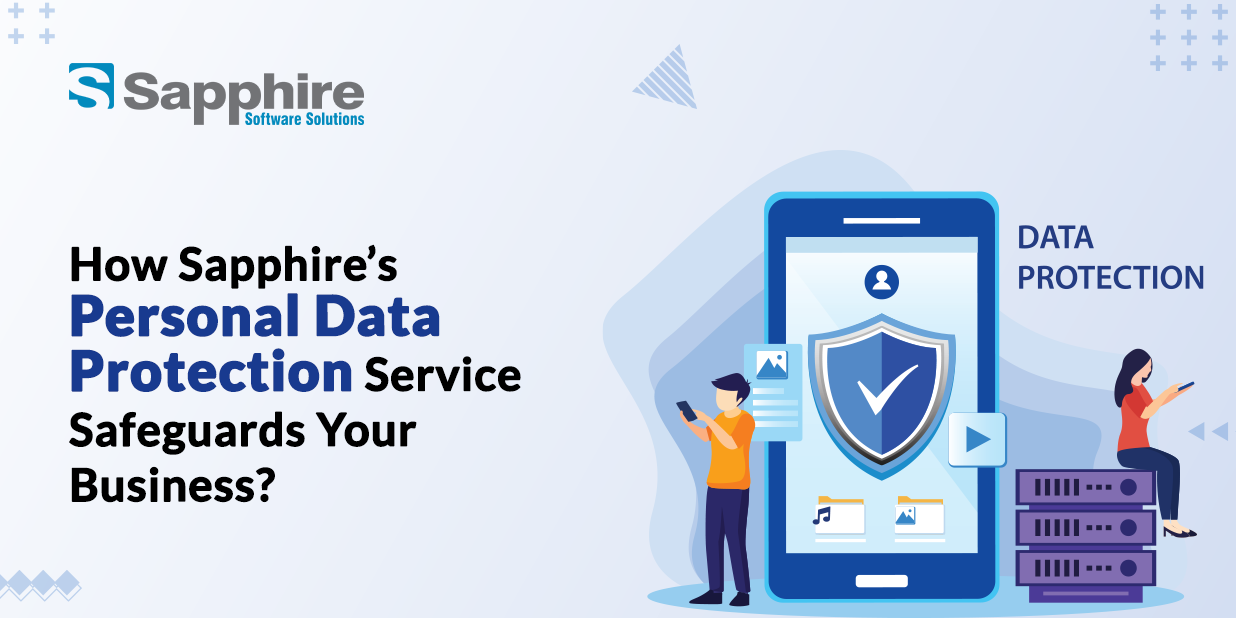 Sapphire Software Solution's approach to data protection focuses on aligning compliance with real-world business operations. Rather than offering generic solutions, the Personal Data Protection Service is designed to integrate seamlessly with existing systems and workflows.
The service begins with a comprehensive assessment of current data practices. This helps identify gaps, risks, and opportunities for improvement. Based on these insights, tailored strategies are developed to address specific compliance and security requirements.
Personal Data Protection has therefore become a foundational business concern rather than a technical afterthought. It influences customer trust, investor confidence, and long-term sustainability. Organizations that adopt a proactive approach to protecting personal information are far better positioned to avoid disputes, audits, and operational disruptions.
Sapphire Software Solution emphasizes transparency and collaboration, working closely with internal teams to build sustainable data governance frameworks. This partnership-driven approach not only strengthens compliance but also enhances organizational confidence in handling sensitive information.
Conclusion:
Personal Data Protection is no longer just about regulatory compliance—it is a strategic investment in business resilience, customer trust, and sustainable growth. Organizations that implement strong data governance and security practices are better equipped to reduce legal exposure, avoid costly penalties, and protect their brand reputation while continuing to innovate with confidence.
At Sapphire, we help businesses design secure, compliant, and insight-driven data strategies aligned with their long-term goals. As a trusted Data Analytics Services Provider, we enable organizations to unlock the value of their data while maintaining the highest standards of privacy and compliance. Contact us today to discover how Sapphire can help safeguard your data and strengthen your business foundation.