
















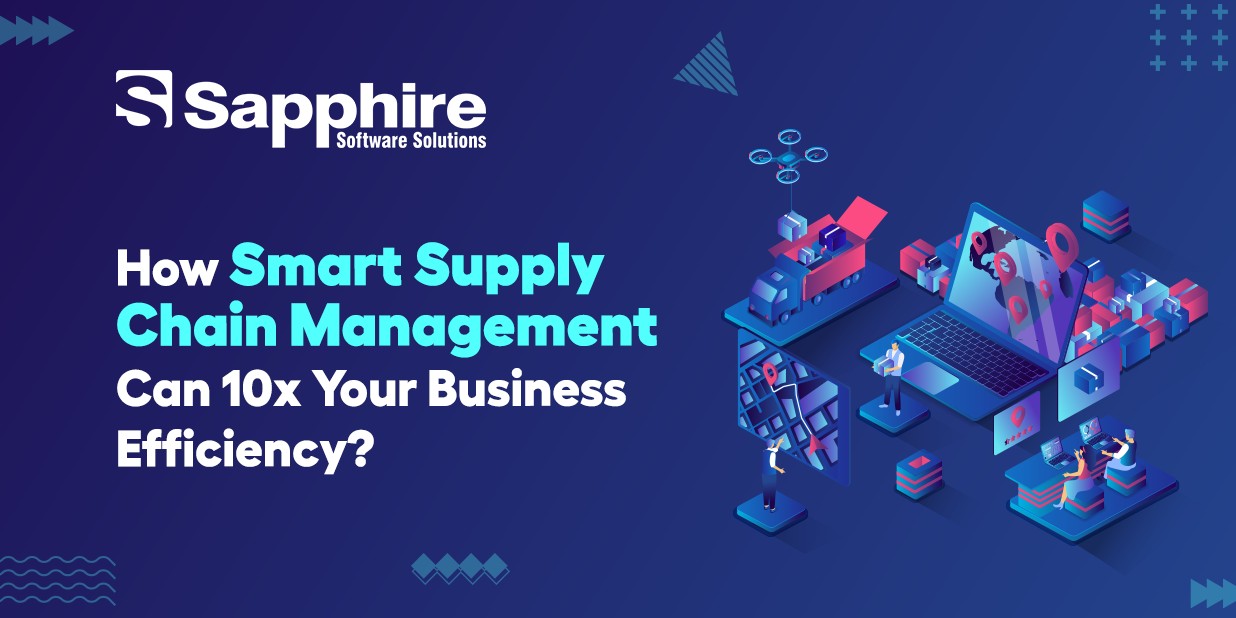
The ultimate objective of smart mobility in supply chains is to maximize the flow of commodities by using data-driven solutions. Customers expect faster deliveries; investors expect optimized costs, and leadership teams expect real-time visibility across operations. Yet many businesses still rely on disconnected systems, manual tracking, and reactive decision-making that slows everything down.
This is where smart supply chain strategies enter the picture. By combining intelligent processes, automation, and advanced analytics, modern supply chains are evolving from cost centers into growth engines. When done right, a smart approach can dramatically improve productivity, reduce waste, enhance customer satisfaction, and unlock scalability that was once impossible.
In this in-depth guide, we’ll break down how smart supply chain practices work, the tools behind them, and how they can realistically multiply your operational efficiency. Whether you’re a growing enterprise or an established organization looking to modernize, this blog will give you a practical, human-focused understanding of what’s possible.
What Is Smart Supply Chain Management?
At its core, Supply Chain Management is the coordination of activities involved in sourcing raw materials, producing goods, and delivering finished products to end customers. Traditionally, these activities were handled in silos, often relying on historical data and manual oversight.
A smart supply chain goes several steps further. It connects every stage — suppliers, manufacturers, warehouses, distributors, and customers — through digital intelligence. Sensors, cloud platforms, data analytics, and automation work together to create a responsive, adaptive, and predictive ecosystem.
To put it simply, Supply Chain Management explained in a smart context means:
- Anticipating demand instead of reacting to it
- Identifying disruptions before they escalate
- Making data-driven decisions in real time
- Continuously improving performance through insights
Rather than just moving goods from point A to point B, smart supply chains learn, adapt, and optimize themselves.
How a Smart Supply Chain Management System Works?
A modern Supply Chain Management System operates like a central nervous system for your business operations. It gathers data from multiple sources, analyzes patterns, and triggers actions automatically or with minimal human intervention.
Here’s how it typically works:
- Data Collection at Every Touchpoint: Information flows from suppliers, production lines, warehouses, logistics partners, and customer channels. This includes inventory levels, lead times, transportation status, and demand signals.
- Intelligent Processing: Advanced algorithms analyze this data to detect trends, forecast demand, and identify risks such as delays or shortages.
- Automated Decision Support: Instead of relying solely on human judgment, the system recommends or executes actions — adjusting inventory, rerouting shipments, or rescheduling production.
- Continuous Feedback Loop: The system learns from outcomes, refining forecasts and recommendations over time. This self-improving capability separates smart supply chains from traditional ones.
The result is a connected environment where visibility, agility, and accuracy become standard — not exceptions.
Complete Supply Chain Management Process:
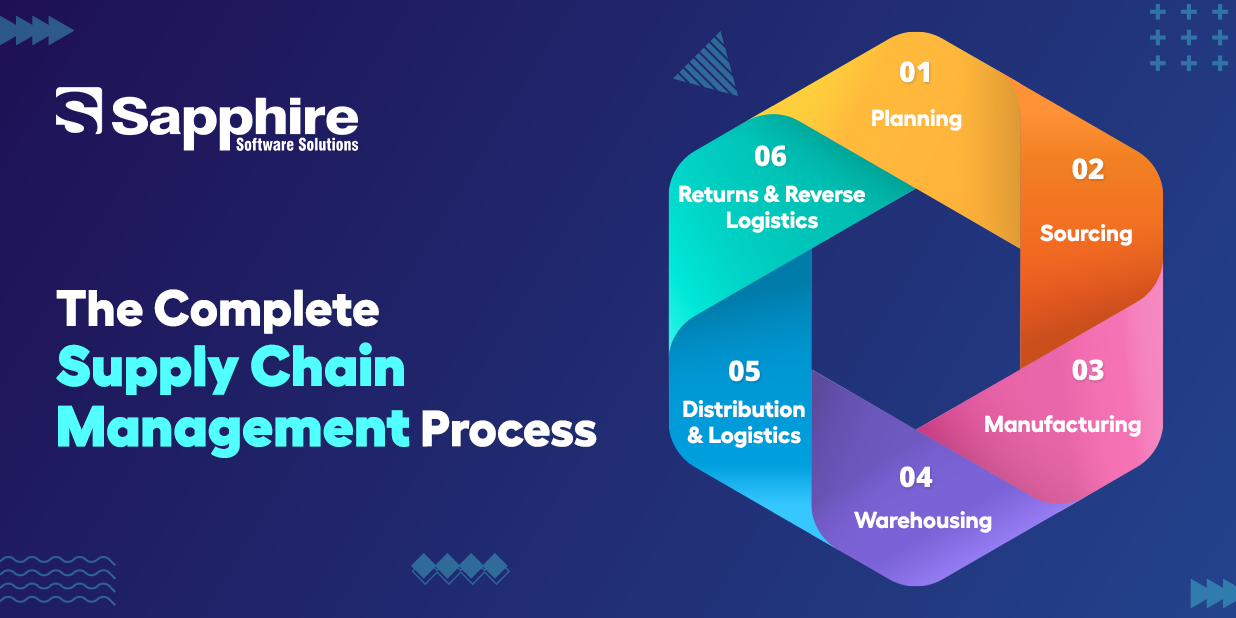
Understanding the Supply Chain Management Process helps clarify where intelligence and automation create the biggest efficiency gains. A complete process includes several interlinked stages:
- Planning: This stage focuses on forecasting demand, setting inventory targets, and aligning resources. Smart planning uses predictive insights instead of static spreadsheets.
- Sourcing: Selecting suppliers, negotiating contracts, and managing procurement activities. Digital intelligence helps evaluate supplier performance and reduce risk.
- Manufacturing: Production scheduling, quality control, and resource utilization happen here. Smart systems adjust production plans dynamically based on real-time data.
- Warehousing: Inventory storage, picking, packing, and stock optimization. Automation ensures the right products are in the right place at the right time.
- Distribution and Logistics: Transportation planning, route optimization, and delivery tracking are streamlined to reduce costs and delays.
- Returns and Reverse Logistics: Handling returns efficiently while minimizing losses and improving customer experience.
When these stages operate in harmony, businesses gain speed, resilience, and measurable efficiency improvements.
Role of Supply Chain Management Software in Efficiency Boosting:
The backbone of any intelligent operation is the Supply Chain Management Software Development Company. Without it, data remains fragmented, and insights remain inaccessible.
Here’s how software directly boosts efficiency:
- End-to-end visibility eliminates blind spots across operations
- Real-time dashboards replace manual reporting
- Automated workflows reduce human error and delays
- Advanced analytics uncover inefficiencies that would otherwise go unnoticed
- Scalability allows businesses to grow without linear cost increases
Instead of managing chaos, teams focus on strategy, innovation, and continuous improvement.
Essential Supply Chain Management Tools for Modern Businesses:
Modern enterprises rely on a suite of Supply Chain Management Tools to stay competitive. Each tool addresses a specific operational challenge:
- Demand Forecasting Tools: These tools analyze historical and market data to predict future needs more accurately.
- Inventory Optimization Platforms: They help balance stock levels to avoid both shortages and overstocking.
- Warehouse Automation Solutions: Robotics, barcode systems, and intelligent layouts improve speed and accuracy.
- Transportation Management Systems: They optimize shipping routes, carrier selection, and delivery timelines.
- Supplier Collaboration Portals: These platforms improve communication, transparency, and accountability across partners.
When integrated properly, these tools form a cohesive digital ecosystem rather than isolated systems.
Real Business Benefits: How Smart SCM Can 10x Your Efficiency
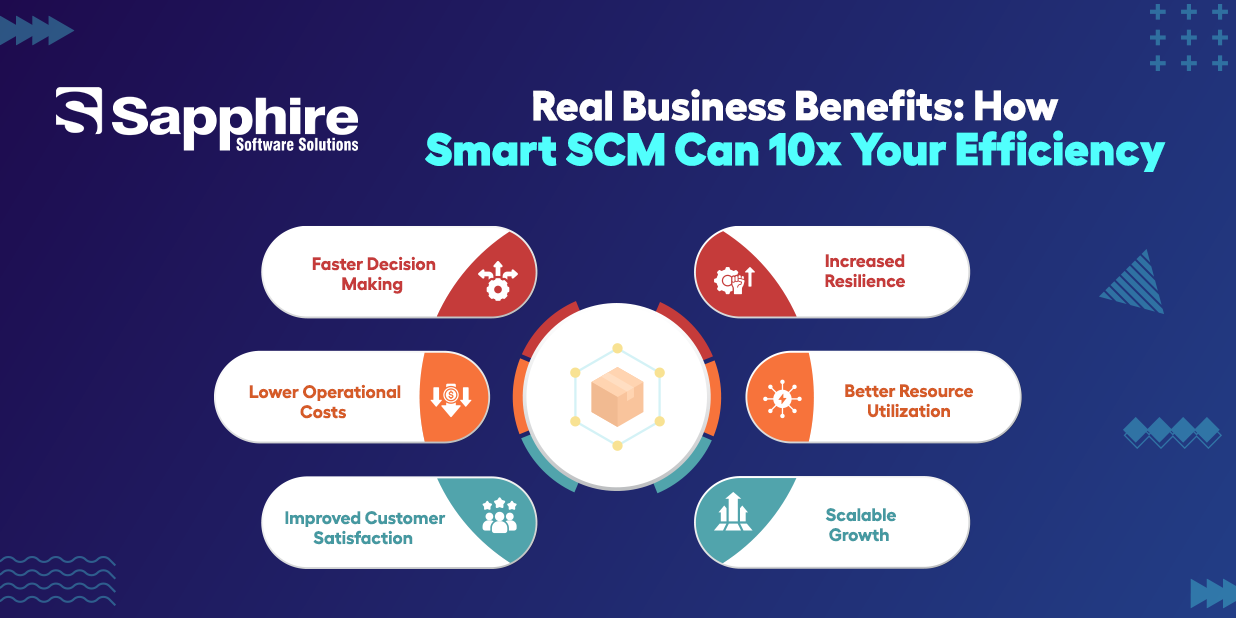
Smart supply chains don’t just promise efficiency — they deliver measurable business results.
- Faster Decision-Making: Real-time insights eliminate guesswork and reduce the approval of bottlenecks.
- Lower Operational Costs: Optimized inventory, reduced waste, and efficient logistics directly improve margins.
- Improved Customer Satisfaction: Accurate deliveries, shorter lead times, and better service build long-term loyalty.
- Increased Resilience: Predictive alerts help businesses prepare for disruptions instead of scrambling to respond.
- Better Resource Utilization: Labor, materials, and capital are used more effectively across operations.
- Scalable Growth: Systems grow with your business without requiring massive structural changes.
In industries like Supply Chain Management for the manufacturing Industry, these benefits are even more pronounced due to complex production cycles and tight margins.
Why Choosing Sapphire for AI-Enabled Supply Chain Solutions Matters?
The future of efficiency lies in AI in Supply Chain Management, and choosing the right technology partner is critical to success.
Sapphire Software Solutions brings a unique combination of domain expertise, technical excellence, and business-first thinking. Rather than offering generic platforms, Sapphire designs tailored, AI-enabled solutions that align with your specific operational goals.
What Sets Sapphire Apart?
- Deep understanding of supply chain complexities
- Custom-built intelligent systems, not one-size-fits-all tools
- Focus on real business outcomes, not just technology adoption
- Scalable architectures designed for long-term growth
- Proven experience across manufacturing, logistics, and enterprise ecosystems
By partnering with Sapphire, businesses don’t just modernize operations — they future-proof them.
Conclusion:
You now have a clear understanding of the immense operational and financial power that a smart, AI-enabled supply chain can unlock. The transition from reactive, manual systems to a predictive, optimized digital ecosystem is no longer a luxury—it is the mandate for competitive survival and exponential growth. The challenge isn't if you should adopt smart SCM, but how to implement it effectively without massive disruption or generic software. At Sapphire Software Solutions, we don't just sell technology; we engineer precision efficiency. We translate your complex operational reality—from specific supplier networks to tight production margins—into a custom, AI-driven supply chain solution.
If you are an ambitious leader seeking to genuinely 10x your operational efficiency—moving far beyond incremental gains—your time to act is now. Don't let your current supply chain bottlenecks define your growth ceiling. Partner with Sapphire to design and deploy the intelligent system that will future-proof your business and drive scalable profitability. Schedule a free consultation with a Sapphire SCM expert today.