















What is a Project Management Methodology?
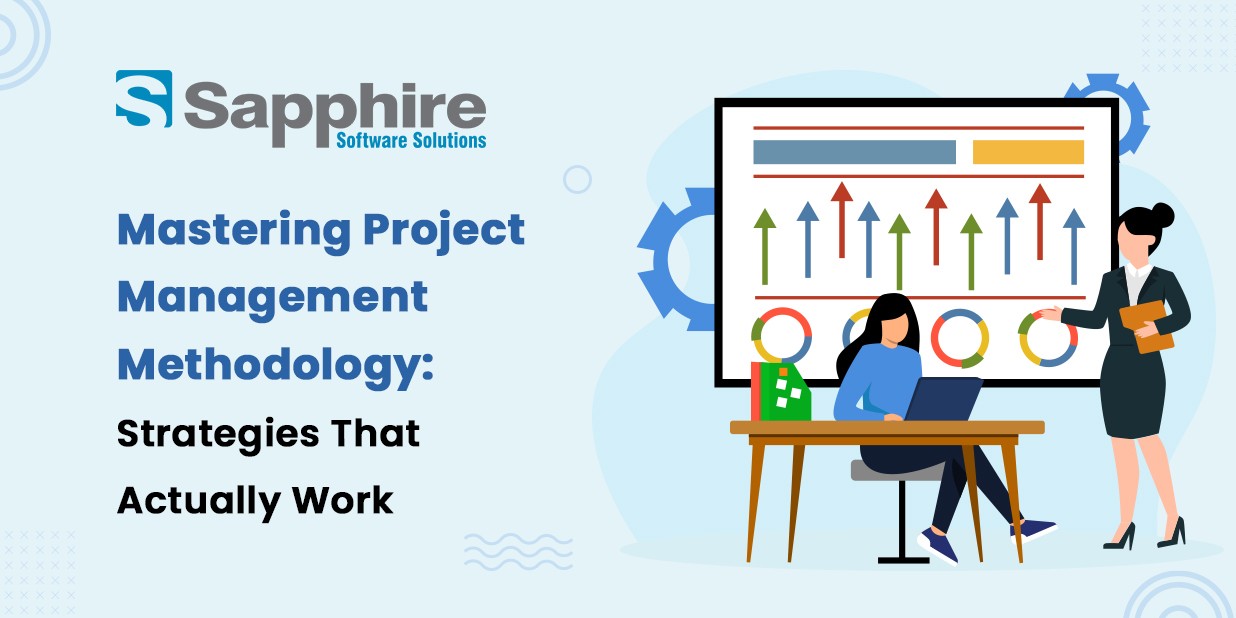
To navigate a successful project in today’s bustling business climate requires more than just hard work; it requires a specific and repeatable process that guides a team from idea to execution. This is where Project Management Methodology comes in to answer the question of what do we mean when we talk about Project Management Methodology?
A Project Management Methodology is essentially a set of principles, processes, and practices that help a group organize, plan, and execute projects on all scales.
It is essentially a route that represents predetermined tasks' management, milestones' tracking, and goal achievement. By developing Project Management Methodologies, businesses will have a consistent process applicable to each project, which will be an advantage in reducing risks while increasing the chances of successful outcomes.
Without a methodology in mind, a team’s project and objectives are likely to be unclear, as well as causing project miscommunication, missed due dates to be missed, or exceeded budgets to be exceeded. Whether you are leading a small marketing campaign or a complicated software development, finding an appropriate methodology will provide a structured approach to following tasks, which helps to provide clarity, consistency, and direction.
Types of Project Management Approaches and Methodologies:
Project Management is not a "one-size-fits-all" solution. Different approaches apply to different industries, team sizes, and project types. Let us take a look at some of the most used Project Management Methodologies and where they apply.
One of the most popular methods in recent times has been the Project Management Methodology agile approach. This Project Management Methodology is designed for flexibility and adaptability. Agile breaks down work into smaller increments (called sprints) so that work can deliver value upon value continuously, while also allowing the ability to pivot quickly in response to changes. Agile is predominantly used in software development, as client needs and market demands change rapidly.
Another Project Management Methodology used significantly more today is the Waterfall method. The Waterfall method is a traditional Project Management Protocol that takes a linear approach to Project Management, consisting of planning, execution, and delivery. Each part of the methodology must be completed before the next can begin, and it is ideal for projects where the requirements are fixed and changes are rare (construction or manufacturing).
Other common methodologies include:
- Scrum: Scrum is agile, employs daily stand-ups, has defined roles, uses sprints, and time-boxing.
- Kanban: Kanban practices visualize work on boards while managing workflow and capacity.
- Lean: Lean practices minimize waste and maximize value.
- PRINCE2: PRINCE2 is a structured, process-based approach commonly used in the government sector and large organizations.
- Project Management Institute Methodology: PMI has several standards, like the PMBOK, which refers to best-practice processes and knowledge areas.
Each of the above Project Management Methodologiesise valuable, and the selection depends on scope, complexity, and the needs of the project.
Traditional Project Management Approaches:
Traditional Project Management approaches are identifiable by their sequential and structured nature. They rely on detailed planning, well-known documentation, and moving from phase to phase in a predetermined manner.
The most recognizable example is the Waterfall model. This project management method moves through distinct stages — requirements, design, implementation, testing, and maintenance. Because the project must move through all of the stages in this order, the Waterfall model works best when the requirements are known and unlikely to change.
A second and prominent example is the Project Management Institute Methodology, which offers best practices for project managers internationally. The PMBOK Guide by the PMI describes various knowledge areas, including scope management, risk management, and time management. PMI can be useful for organizations in applying standard processes and procedures across projects.
Traditional methods focus heavily on Project Management Estimation Methods and Project Management Budgeting Methods to tightly control time and cost. For these reasons, traditional methods are associated with industries where regulatory compliance is a priority, including healthcare, aerospace, and finance.
Benefits of Using a Project Management Methodology:
Why should an organization invest in implementing a formal Project Management Methodology framework? The answer is simple. The benefits to the organization and teams using a defined methodology are currently more positive than the disadvantages.
- Clarity and Alignment: When a defined methodology is created, team members know their roles and responsibilities and the project's objectives better, minimizing ambiguity, and this can improve communication and collaboration among team members.
- Planning and Control: The use of established Project Management Estimation Methods and Project Management Budgeting Methods enables teams to plan resources, timelines, and budgets more accurately, giving them better control to avoid overspending or mission deadlines.
- Risk Management: Methodologies provide a framework for recognizing potential risks. Because risks are identified early in the process stages (if not before project initiation), the risks can be avoided or minimized as little as possible.
- Quality Assurance: By following the structure phase stages of the Project Management life cycle methodology, deliverables can be reviewed, tested, and validated at every step to ensure quality.
- Continuous Improvement: Many new methodologies (especially agile methodologies) incorporate feedback loops and retrospectives that encourage a team to learn and improve the next project as a collective effort.
- Stakeholder Satisfaction: Stakeholders benefit as well because with a defined methodology that incorporates milestone reviews and project communication, they are regularly updated and engaged in the process, and are more knowledgeable and confident in the project's success.
In conclusion, organizations and businesses can set themselves up for repeatable success and growth opportunities by implementing the right organizational methodologies.
Choosing the Right Project Management Methodology:
Selecting a Project Management Methodology is not something to take lightly. You need to know your project, your team, and your organizational goals thoroughly.
If you are working on a project that has a lot of moving parts and things that can change, the best project management methodology might be Agile. Agile allows flexibility, incremental progress, and an ongoing feedback system.
You should also take into account the team's experience with specific Project Management techniques in software engineering or other disciplines. For example, Agile requires a high level of collaboration and self-management, while traditional methods require strong planning and coordination skills.
The level of sophistication concerning the member's familiarity with Project Management methodologies from software engineering and other areas also needs to be assessed. Agile requires high levels of collaboration and self-management, while traditional has high amounts of planning and coordination in an organization.
Evaluating the nature of your deliverables is also a key consideration. If you can develop and deliver your product in an iterative way, agile would work well for you. If you have to deliver everything at once - as is the case with complicated infrastructure projects - a sequential Project Management approach may be more suitable.
Finally, consider the long-term organizational goals. Are you looking to innovate and iterate rapidly? Or do you need to have strict control and oversight of all aspects of the project? Your chosen methodology should accommodate not only your near-term needs but also your long-term strategic goals.
What Makes Sapphire the Ideal Project Management Services Partner for Your Business?
The partner you choose may be just as important as the methodology when it comes to achieving excellent project results. Sapphire, the top Work Management Platform Development Company, offers you unparalleled experience, customized solutions, and complete focus on your success.
Here’s why businesses trust Sapphire as their project management partner:
- Diverse Methodology Knowledge: At Sapphire, we have experience with the top Project Management Methodologies - Agile, Scrum, Kanban, Waterfall, PRINCE2, and PMI - these methodologies can be applied or combined to your particular project needs.
- Advanced Estimation and Budgeting: Our teams have access to best-in-class Project Management Estimation Methods and Project Management Budgeting Methods. We properly allocate resources, plan durations and estimates, and manage project expenses according to your project budget.
- Best Practices for Industry: Sapphire prides itself on having a wealth of experience in Project Management techniques in software engineering and other industries, and therefore can ensure that your projects are delivered to the highest standards of quality, performance, and scalability.
- Lifecycle Methodology Management: We manage every phase of the Project Management life cycle methodology. from the initiation phase and project planning process through execution and project closure phase and project monitoring.
- Collaborative Approach: At Sapphire, we work collaboratively with our clients. We take the opportunity to understand your vision and challenges, as well as your goals, to make sure the services we are providing properly integrate with your expectations.
- Obligation to Deliver Results: Our goal is to help you succeed! Whether launching new products, transitioning systems, or managing their organizational shift, ensure you have a trusted partner in Sapphire to provide you with the experience, tools, and tools and methodologies to deliver success.
By partnering with Sapphire, you gain a trusted advisor committed to helping you navigate the complexities of project management and making results stick.
Final Thoughts:
Mastering Project Management Methodologies provides organizations with the best opportunity to remain competitive, agile, and successful in these fast-changing times. Whether your interest is in the flexibility of the agile Project Management Methodology or the structure of the traditional approaches, knowing how to use the relevant framework you need can lead to the improvement of your project.
By investigating the various methods, understanding their merits, and selecting the best fit for your unique circumstances, your organization can deliver consistently high quality. With the support of an experienced Project Management Services Company like Sapphire Software Solutions, your organization gains the confidence, knowledge, and resources needed to address the most complex project issues.
Are you ready to enhance your projects and achieve positive results? Contact Sapphire today, and we’ll share how our tailored Project Management Methodology framework can ensure your business goals are achievable - on time, on budget, and above your original expectations.