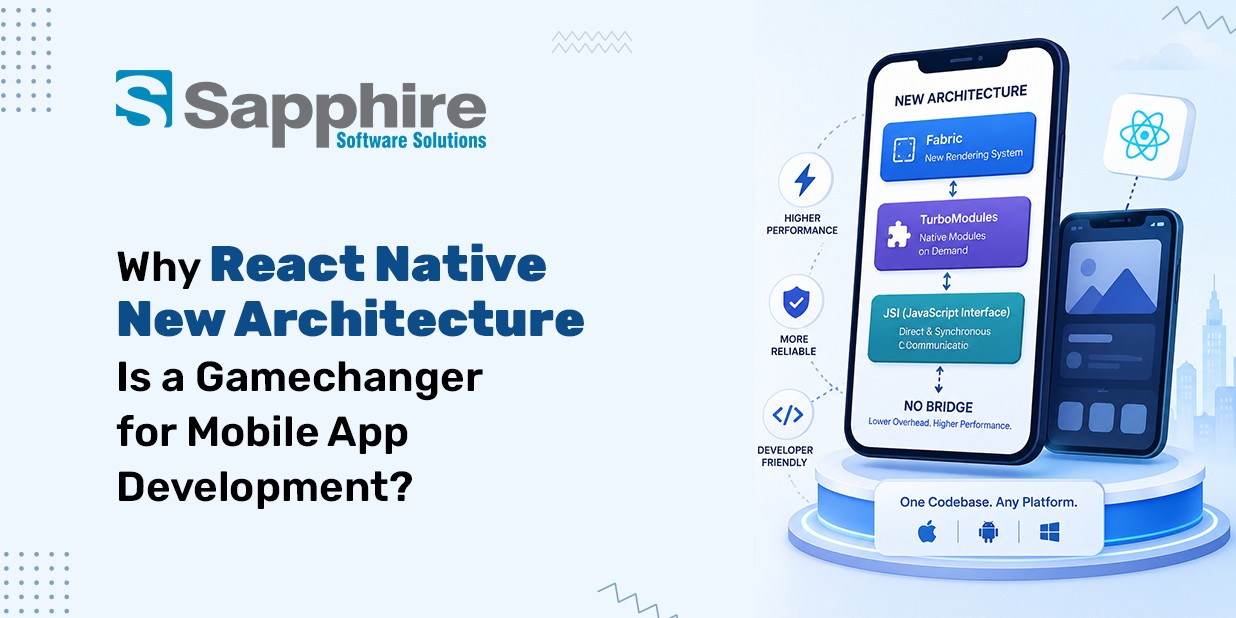

















Mobile applications have become one of the most powerful tools for businesses looking to improve customer engagement, streamline operations, and generate new revenue streams. Whether it's a startup introducing an innovative product or an established enterprise expanding its digital presence, having a reliable mobile application is no longer optional—it's a business necessity.
This challenge has encouraged organizations to adopt cross-platform frameworks that deliver high performance without compromising user experience. Among the available technologies, React Native App Development has become one of the most preferred choices for businesses worldwide.
What Is React Native App Development?
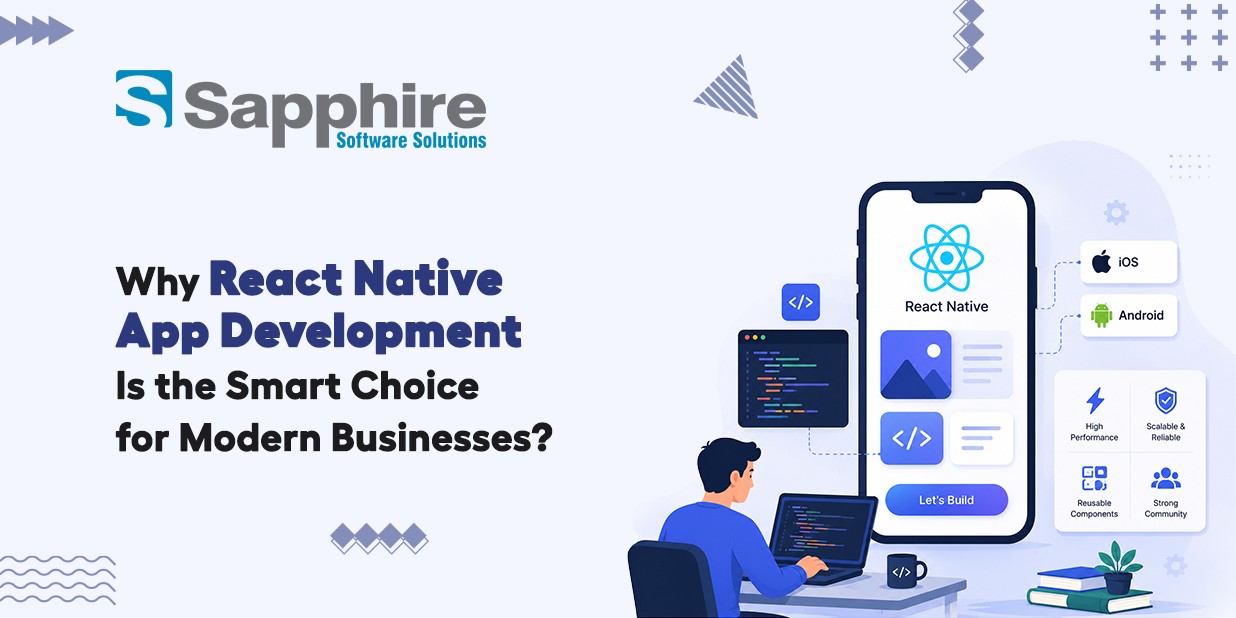
React Native App Development is the process of creating mobile applications using the React Native framework, an open-source technology introduced by Meta. Unlike traditional native development, where developers build separate applications for Android and iOS, React Native allows a significant portion of the codebase to be shared across both platforms.
The framework uses JavaScript and React to build user interfaces while communicating with native platform components behind the scenes. This approach delivers an application that looks and performs similarly to native apps while reducing development complexity.
Key Features of React Native:
Single Codebase:
Developers write one application that can run on both Android and iOS devices. This reduces duplicate work and shortens development timelines.
Native User Experience:
Although the framework shares code across platforms, it renders native UI components that provide smooth navigation, responsive interactions, and a familiar experience for users.
Reusable Components:
React Native follows a component-based architecture where interface elements can be reused throughout the application. This improves consistency while accelerating future development.
Large Open-Source Ecosystem:
React Native benefits from an active global developer community that continuously contributes to libraries, plugins, and development tools. This reduces development effort and expands application capabilities.
Third-Party Integration:
Businesses often require integrations with payment gateways, maps, authentication services, analytics platforms, cloud storage, and APIs. React Native supports these integrations efficiently, making it suitable for a wide range of business applications.
Is React Native Good for Mobile App Development?
One of the most common questions businesses ask before beginning a mobile project is "Is React Native good for mobile app development?" The answer depends on project requirements, but for most business applications, React Native offers an excellent balance between performance, development speed, scalability, and cost efficiency.
Faster Time-to-Market:
Launching products quickly often provides a competitive advantage. Since developers work with a shared codebase, businesses can release Android and iOS applications simultaneously, significantly reducing overall project timelines.
Cost-Effective Development:
Building separate native applications requires two development teams with different technical expertise. React Native minimizes duplication by allowing much of the application logic to be shared, reducing both development and long-term maintenance expenses.
Consistent User Experience:
Users expect applications to behave consistently across different devices. React Native enables developers to deliver similar interfaces, navigation patterns, and functionality while still maintaining native platform standards.
Excellent Performance:
Modern React Native applications provide responsive interfaces, smooth animations, and efficient memory usage. Continuous improvements to the framework have significantly enhanced overall application performance, making it suitable for most business use cases.
Simplified Maintenance:
Maintaining one codebase is far easier than managing separate Android and iOS applications. Bug fixes, security updates, feature enhancements, and performance improvements can often be implemented simultaneously across both platforms.
Why React Native Cross Platform App Development Is the Preferred Choice?
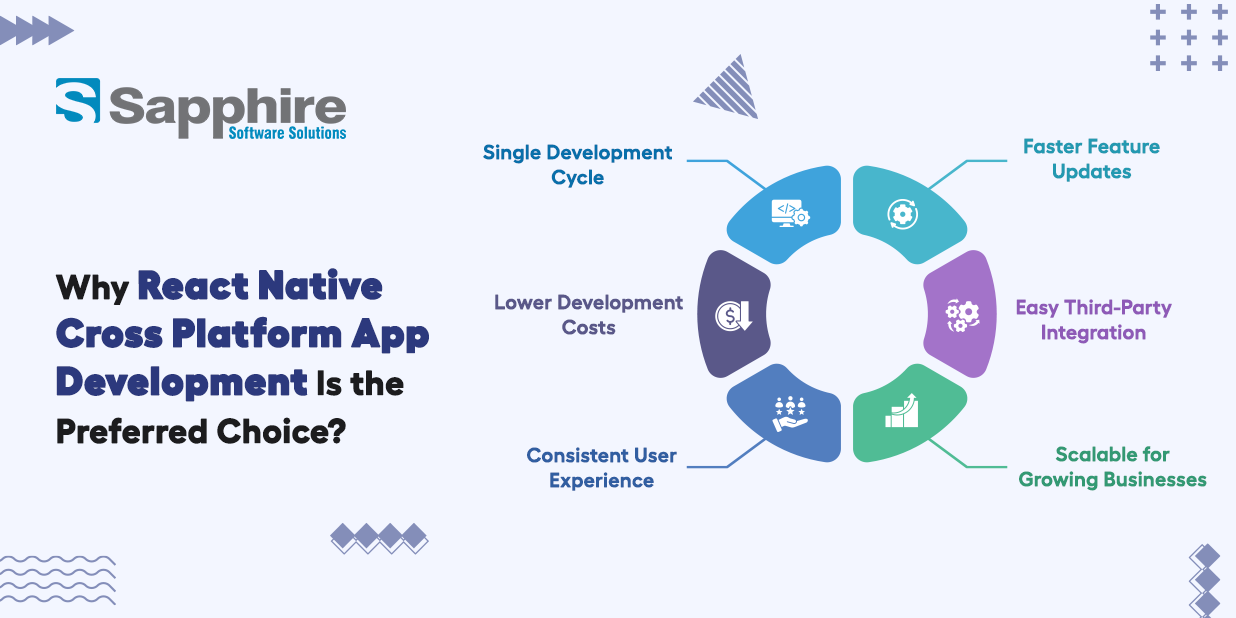
As businesses continue expanding their digital presence, delivering seamless experiences across Android and iOS has become essential. Customers expect the same level of functionality, design, and performance regardless of the device they use. This is why React Native cross platform app development has become the preferred solution for organizations looking to build high-quality mobile applications efficiently.
Single Development Cycle:
A unified codebase allows development teams to build Android and iOS applications simultaneously. This reduces duplicated work and enables businesses to launch products much faster compared to traditional native development.
Lower Development Costs:
Hiring separate Android and iOS teams often increases project expenses. With React Native, businesses can achieve comparable functionality using one development team, helping optimize budgets without sacrificing quality.
Consistent User Experience:
Maintaining a consistent interface across platforms is important for brand identity and customer satisfaction. React Native enables developers to create applications that deliver similar navigation, layouts, and interactions while respecting each platform's design standards.
Faster Feature Updates:
Business requirements evolve continuously. Whether introducing new features, fixing bugs, or improving security, developers can implement updates once and deploy them across both platforms with minimal additional effort.
Easy Third-Party Integration:
Modern mobile applications often rely on services such as payment gateways, authentication providers, cloud storage, analytics, geolocation, notifications, and CRM systems. React Native supports these integrations efficiently, reducing development complexity and improving application capabilities.
Scalable for Growing Businesses:
Applications built using React Native can easily evolve alongside business growth. Organizations can add new modules, integrate emerging technologies, and support increasing numbers of users without rebuilding the entire application.
React Native App Development Cost: Key Factors That Affect Pricing
One of the first questions businesses ask before starting a mobile application project concerns the React Native App Development Cost. While React Native is generally more cost-effective than developing separate native applications, the total investment depends on multiple technical and business factors.
Application Complexity:
The biggest factor influencing development cost is the complexity of the application.
- Simple applications with basic authentication, informational pages, and limited functionality typically require fewer development hours.
- Medium-complexity applications include user accounts, payment gateways, APIs, notifications, dashboards, and cloud integration.
- Enterprise-level applications involve advanced security, real-time communication, AI features, IoT connectivity, large databases, and extensive backend infrastructure, requiring significantly more development effort.
The more complex the functionality, the greater the investment.
UI/UX Design Requirements:
A well-designed interface improves customer engagement and user satisfaction. Custom animations, interactive dashboards, unique branding elements, accessibility features, and responsive layouts require additional design and development time compared to template-based interfaces.
Backend Development:
Many applications rely on backend systems to manage users, databases, payments, analytics, notifications, and business logic. The complexity of backend architecture directly affects project timelines and overall development costs.
Third-Party Integrations:
Businesses frequently integrate external services such as:
- Payment gateways
- Social media authentication
- GPS and mapping
- Video conferencing
- Cloud storage
- Customer support platforms
- Analytics tools
- ERP and CRM systems
Each integration requires development, testing, and ongoing maintenance, contributing to the overall project scope.
Maintenance and Future Enhancements:
Launching an application is only the beginning. Regular updates, operating system compatibility, bug fixes, feature additions, performance optimization, and security improvements should all be considered when planning the long-term investment.
Development Team Experience
Experienced developers often deliver higher-quality applications with fewer technical issues. While senior development teams may have higher hourly rates, their expertise typically results in faster development cycles, better architecture, and lower maintenance costs over the application's lifetime.
How Businesses Can Optimize Development Costs?
Organizations can manage budgets effectively by:
- Clearly defining project requirements before development begins.
- Prioritizing essential features for the initial release.
- Using Agile development to introduce new functionality gradually.
- Selecting scalable technologies that minimize future redevelopment.
- Working with an experienced technology partner capable of delivering efficient, high-quality solutions.
Although every project has unique requirements, React Native remains one of the most cost-effective frameworks for businesses seeking high-performance mobile applications that support long-term growth.
React Native App Development Services: How the Right Partner Drives Business Growth
Building a successful mobile application involves much more than writing code. Businesses need a technology partner who understands market trends, user behavior, scalability, security, and long-term product strategy. Choosing the right React Native App Development Services provider can make the difference between an application that simply works and one that drives measurable business growth.
Business and Technical Consultation:
Every successful application begins with a clear strategy. Experienced consultants analyze business goals, target audiences, competitors, and technical requirements before recommending the most suitable development approach. This planning phase helps avoid unnecessary costs and ensures resources are invested in features that deliver real value.
Custom UI/UX Design:
An attractive interface is important, but usability is even more critical. Professional development teams create intuitive user experiences that simplify navigation, improve accessibility, and encourage customer engagement. A thoughtfully designed application increases user satisfaction and encourages long-term retention.
Agile Development Methodology:
Modern development teams follow Agile practices to deliver projects in manageable phases. Clients receive regular updates, working prototypes, and opportunities to provide feedback throughout development. This flexible approach allows businesses to adapt quickly to changing market requirements while maintaining project transparency.
Backend Development and API Integration:
Many mobile applications rely on powerful backend systems to manage users, databases, payments, notifications, and analytics. Experienced developers build secure, scalable backend architectures and integrate third-party services such as payment gateways, cloud platforms, CRM systems, ERP software, and social login solutions.
Quality Assurance and Performance Testing:
Comprehensive testing is essential before launching any mobile application. Professional teams conduct functional testing, device compatibility testing, security validation, performance optimization, and usability assessments to ensure a stable and reliable user experience across different devices and operating systems.
Application Deployment:
Launching an application involves more than publishing it to app stores. Development partners assist with store compliance, submission processes, version management, performance monitoring, and release planning to ensure a smooth deployment.
Why Choose Sapphire as Your React Native App Development Company?
Selecting the right technology partner is just as important as choosing the right development framework. Sapphire has established itself as a trusted React Native App Development Company by delivering scalable, secure, and high-performance mobile applications for startups, SMEs, and global enterprises across multiple industries.
Experienced React Native Development Team:
Sapphire's skilled developers specialize in building feature-rich cross-platform applications that deliver native-like performance across Android and iOS devices. Their technical expertise enables faster development while maintaining high coding standards and application quality.
Industry-Specific Solutions:
Sapphire has extensive experience delivering custom applications for healthcare, education, finance, retail, logistics, manufacturing, and enterprise businesses. As a trusted React js App Development Company, Sapphire Software Solutions understands how to build digital solutions that align with industry-specific challenges, business objectives, and long-term growth strategies. Every application is customized to deliver maximum value while ensuring excellent user experiences.
End-to-End Development Services:
From idea validation and UI/UX design to backend development, API integration, testing, deployment, and ongoing maintenance, Sapphire provides complete mobile application development services under one roof. This integrated approach simplifies project management and ensures consistent quality throughout the development lifecycle.
Scalable and Future-Ready Applications:
Applications are built using modern architecture and industry best practices, making it easier to add new features, integrate emerging technologies, and support growing user bases as businesses expand.
Transparent Project Management:
Clients receive regular progress updates, milestone reviews, and open communication throughout the project. This transparency builds confidence while ensuring projects remain aligned with timelines, budgets, and business goals.
Long-Term Technology Partnership:
Rather than simply delivering software, Sapphire builds long-term relationships with clients by providing continuous support, maintenance, feature enhancements, and technology consulting that help businesses remain competitive in an evolving digital landscape.
Conclusion:
Building a successful mobile application requires more than just the right technology—it requires a solution that supports business growth, enhances customer experiences, and adapts to future needs. React Native App Development helps businesses achieve faster launches, lower development costs, and consistent performance across Android and iOS platforms.
At Sapphire, we help startups and enterprises build scalable React Native applications that align with their business goals. From planning and design to development and support, our experts deliver reliable mobile solutions that drive digital growth. Get a Free Quote today and turn your app idea into a high-performing business solution with Sapphire Software Solutions.