















In today’s fast-paced digital landscape, having the right software is no longer a luxury — it’s a necessity. But building that software the right way? That’s where many businesses go wrong. The foundation of any successful software project lies in selecting the right software development model — a decision that can make or break your project's timeline, budget, scalability, and overall success.
At Sapphire Software Solutions, we’ve seen firsthand how choosing the right development approach transforms not just software products, but entire businesses. Whether you're a startup building your MVP or an enterprise planning a large-scale digital transformation, aligning your business goals with the right development model ensures smoother collaboration, faster delivery, and better results.
In this blog, we’ll explore why the software development model you choose matters — and how it directly impacts your bottom line.
Understanding Software Development Models: Why It Matters for Your Business
I was at this startup a few years back. Smart people. Good money. Zero process though. It was absolute chaos. One week, they're shipping daily updates; next week, nothing moves. Meetings were a nightmare because nobody knew what anyone else was working on. Scope kept exploding because there was no way to say no to things. The best developers started leaving because the environment sucked.
Then they brought in a real structure. An actual Software Development Model in the Software Engineering framework. Everything clicked. People knew what was happening. Deadlines meant something. Quality jumped. People wanted to show up.
Here's the thing: without structure, you don't have flexibility—you have chaos pretending to be agility. Software Process Models give you a real framework. They say how decisions get made. What happens in each phase? What's expected. Sounds boring, but it's the difference between shipping and being stuck forever.
Different projects need different approaches. A quick prototype for a startup isn't the same as building infrastructure for a bank. Customer-facing app isn't internal tooling. Mismatch the process to your actual project, and you're fighting yourself constantly.
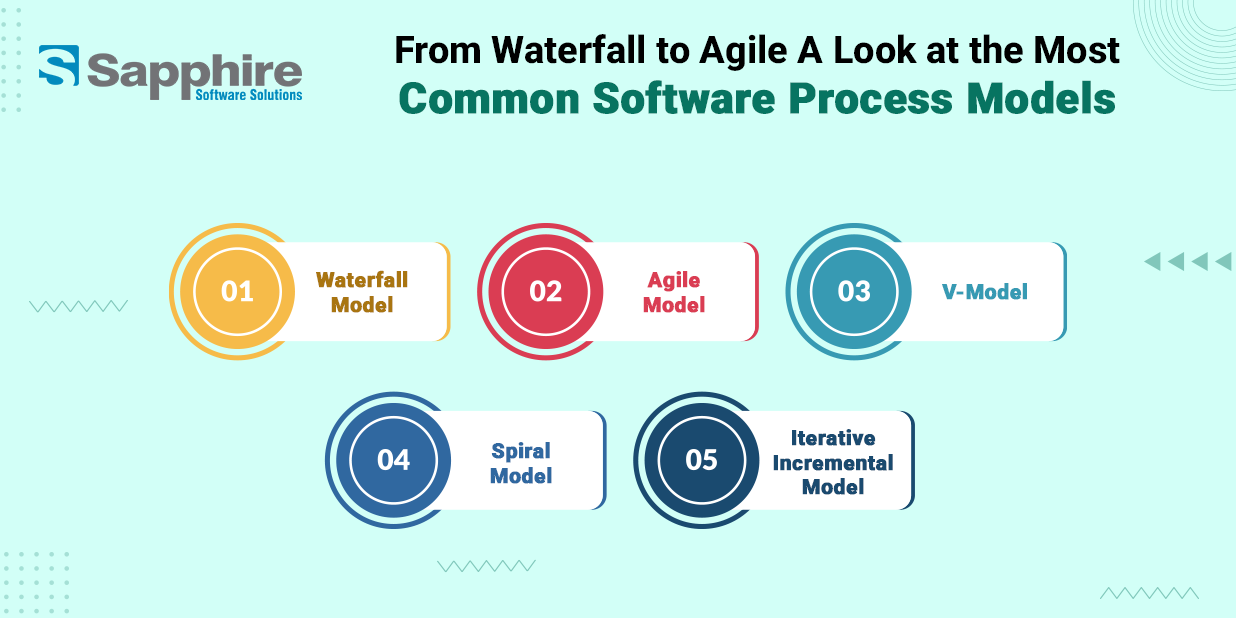
From Waterfall to Agile: A Look at the Most Common Software Process Models:-
1. Waterfall Model:
Lock everything down upfront. Requirements, design, specs—all figured out before anyone codes. Build it. Test it. Ship it. Sequential. If you guessed wrong on day one? That mistake haunts you forever.
The thing is, Waterfall works beautifully when you genuinely know what you're building. Government contracts, regulated industries, stuff where specs are locked in stone. I worked with a financial services company using Waterfall, and it was perfect because the requirements never changed. But most companies? You think you know. You don't. Not until you're halfway through.
2. Agile Model:
Agile's basically anti-Waterfall. Plan a little, build a little, test a little, show people, get feedback, adjust. Two-week sprints. Constant motion. Customer changes their mind? Cool, you adjust next sprint. Market shifts? No problem, you respond. I love Agile for most things because it mirrors how business works. Nothing stays stable. Customer needs shift.
Competition does something unexpected. Your understanding evolves. Agile lets you adapt instead of being locked into a plan from months ago. Downside? Without discipline, it becomes this chaotic mess where nothing ships.
3. V-Model (Software Development Process v Model):
Waterfall's smarter sibling. As you build each component, you're creating its test simultaneously. Development and testing run together, not separately. Catch bugs when they're cheap to fix, not after everything's built. Honestly? This one's underrated. Everyone's obsessed with Agile or Waterfall. V-Model sits there quietly delivering quality. Not flashy. Just solid.
4. Spiral Model:
Use this when things get terrifying. Complex systems. Massive stakes. Real possibility of catastrophic failure. You work in cycles, each with risk assessment. Before moving forward, you make sure you're not driving everything off a cliff. It requires more upfront thinking and ongoing discipline, but for mission-critical stuff or massive enterprise initiatives, it saves your bacon.
5. Iterative and Incremental Model:
Build in chunks. Get something working. Ship it. Gather feedback. Add features. Improve it. Repeat. This is how most successful products get built, even if teams don't officially call it that. You're not waiting for perfection. Pick the model based on your actual situation, not because some consultant recommended it or everyone else is doing it.
The Prototype Model: Ideal for Businesses That Want to Test Before They Build
I watched a company waste five months building a feature that exactly zero users wanted. Burned through the budget, frustrated their team, and ended up throwing it all away. You know what would've saved them? A rough prototype. Two weeks max. Real users are interacting with it. Immediate feedback: the idea was garbage.
The Software Development Prototype Model is simple. Build something rough and quick. Doesn't need to be pretty or perfect, just functional enough that people interact with it, and you watch how they behave. Not how they say they'll behave. How they use it. This catches everything. Edge cases nobody predicted. User behaviors that shocked everyone. Features that sounded great, but nobody needs. You find that out before committing massive resources. For startups, this is lifesaving. You validate your core assumption—does anyone want this? —without burning your entire runway. For established companies exploring new products? Same logic. Validate first, build at scale.
How Software Development Pricing Models Affect Your Bottom Line?
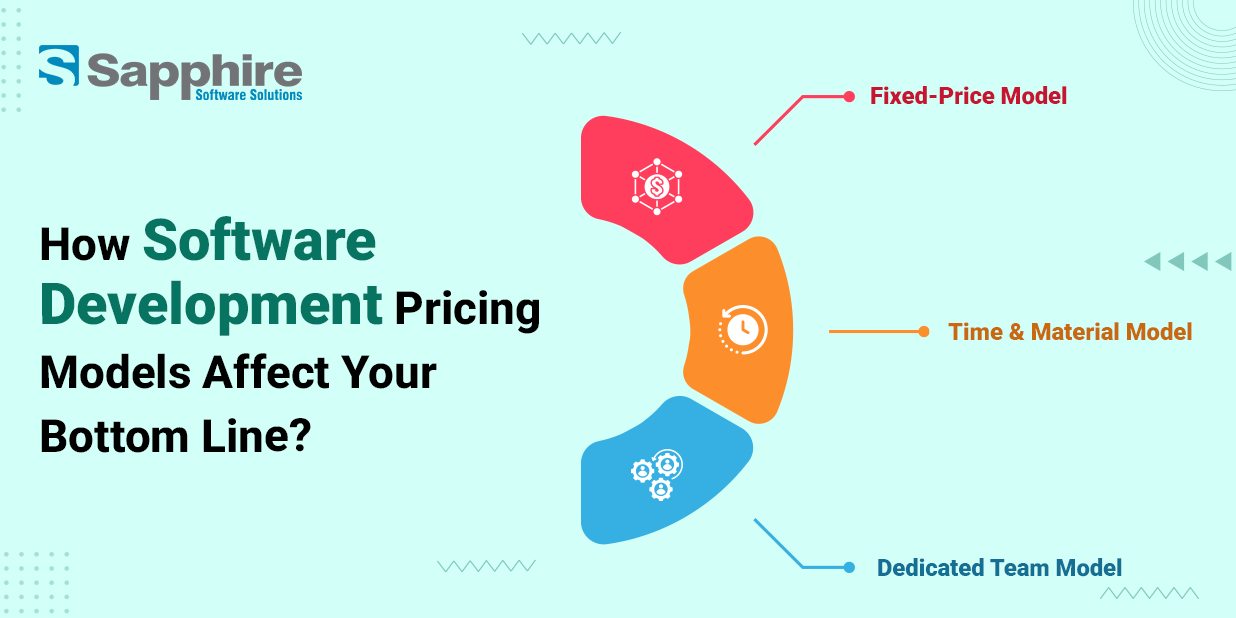
I've seen companies get absolutely blindsided by costs. They think they've nailed the price, then halfway through, everything changes. Suddenly, they're three times over budget, or quality tanks because they're cutting corners to stay under budget. It's brutal. How you structure payment shapes the entire project dynamic. Affects risk distribution, team incentives, and whether you end up happy.
- Fixed-Price Model: Negotiate a price upfront. Developer says $100K. You pay $100K. Done. Your budget's locked in completely. Great when you want certainty. Bad news? If scope changes—and it always does—you either don't get changes or pay extra. Sometimes developers underestimate so they miss deadlines or cut quality. Use this only when you're certain about the requirements.
- Time and Material Model: Pay for actual hours worked plus expenses. The developer bills you weekly. You know exactly what you're paying for. Need changes? Add more time and budget. It's transparent and flexible. Downside? You won't know your total cost until it's done. Requires trusting your developers since there's no hard spending limit.
- Dedicated Team Model: Hire developers for a monthly fee. They're essentially your team working full-time on your project. Over time, they understand your codebase deeply and get your business. Almost like internal staff.
I prefer this for serious projects because you get consistency, deep context, and the team cares about quality since they'll maintain the code long-term. Monthly costs are predictable. You scale up when needed and scale down without painful processes.
Types of Software Development Models: Which One Fits Your Business Best?
You won't find a perfect model. But you can find one that works for your situation.Small project with uncertain requirements? Agile or Iterative. Move fast, stay flexible, skip the documentation nightmare. Know exactly what you're building? Waterfall or V-Model. Get structure, everything documented, predictable timeline.
Testing an idea? Use the Software Development Prototype Model. Build rough, get feedback quickly, validate assumptions, then scale up. Complex project with serious risks? Spiral Model. Work in cycles, assess risk continuously. Real talk? Talk to developers who've done this. They've been through it. They'll tell you what makes sense. Their experience beats any checklist.
Top Benefits of Hiring Dedicated Software Developers for Long-Term Projects
Dedicated developers are transformative. Not because they're smarter. Because they're invested. They understand your codebase inside and out. They get your business. They care about shipping quality work because they know they'll maintain it. Hiring Dedicated Software Developers means no constant onboarding. No reexplaining decisions from six months ago. No losing momentum from turnover. It's exhausting and expensive.
Real impact? Faster delivery because they have a deep understanding of the code and business. Lower recruiting and training costs. You scale up by adding developers. You scale down without awkwardness. They guide strategic decisions, not just code what you tell them. Projects move faster. Quality improves. When your core team knows what they're doing, everything's better. I've watched project costs drop, and quality improve dramatically when companies switched to dedicated developers. That's not a coincidence.
Why Sapphire Is the Best Software Development Company for Your Next Project?
At Sapphire Software Solutions, we don’t force one methodology down your throat — because we know your business isn’t one-size-fits-all. Your situation is unique, and so is the way your software should be built. Sometimes you need the structure of a Waterfall. Other times, Agile’s flexibility is the better fit. In some cases, prototyping helps clarify your vision before committing to full development.
That’s why our team works across a range of software development models in software engineering, helping you choose the approach that truly aligns with your goals, timeline, and budget.
As one of the Best Software Development Company, we pride ourselves on real-world experience — not just textbook knowledge. Our developers don’t blindly follow a playbook. They’ve worked hands-on with multiple approaches and tools, learning what actually.
Conclusion
Here's the reality: The Software Development Model you pick affects everything. Your timeline. Your budget. Your team's stress levels. Whether you succeed or fail spectacularly, figure out which Types of Software Development Models fit your situation. Get developers who execute properly. Find a partner who understands your business. I've seen projects succeed or fail based on first-month decisions. Get it right and everything flows. Things move faster. Quality improves. Costs stay reasonable. Your team stays motivated.
Get it wrong and you're fighting every single day—missing deadlines, burning budget, shipping garbage. The difference between barely limping across the finish line and transforming your business comes down to one thing: Did anyone take real time to think about how to build it properly? Make that decision right, and you've got a shot.
Ready to transform your business with the Right Software Development Model? Get your free quote today and start maximizing efficiency while reducing costs.