














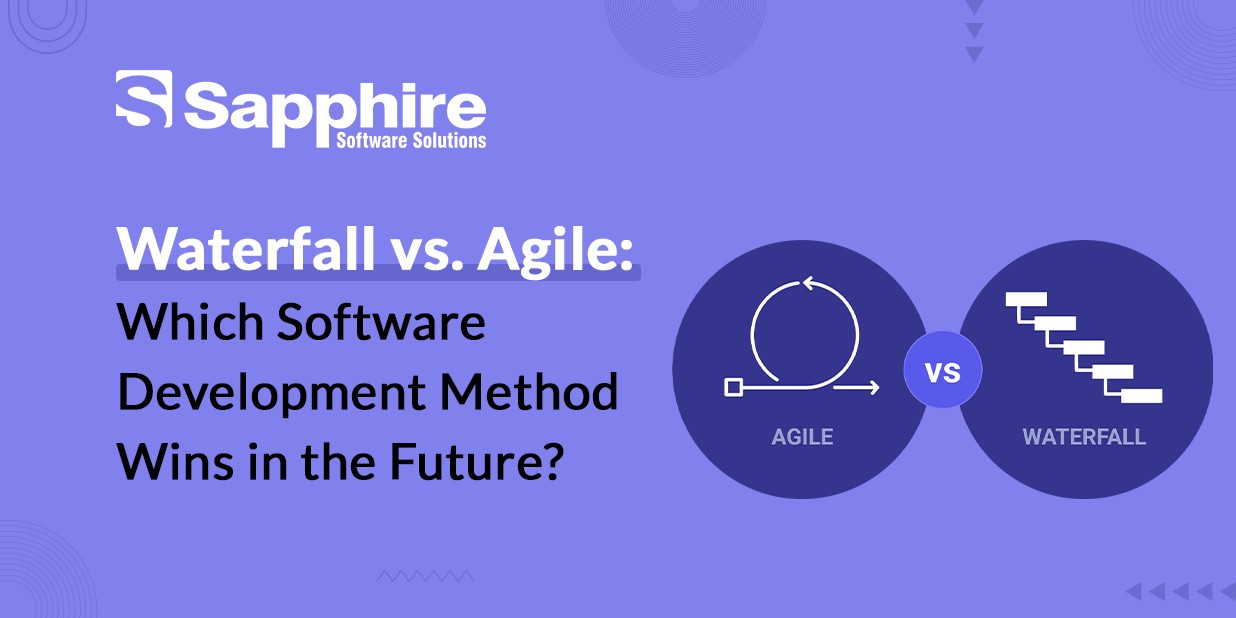
Let me start with, when I began in software, I thought Waterfall was the only real way to build anything. It looked tidy: gather every detail up front, map each task, then code in a neat, stepping-stone line. Yet after a few projects where fresh requirements landed mid-build, I saw that clinging to that blueprint could grind a team to bits. Meeting Agile opened my eyes, and from that point onward my view of software craft never sat still again.
In this blog, I want to lay out lessons I picked up from both camps, Agile and Waterfall, so you'll know which fits your crew or project best. Whether you manage, code, or sign the checks, grasping these mindsets is vital if you aim to deliver solid software in a world that rarely stops turning.
Agile vs Waterfall: An Overview
If you’ve ever been part of a software project, you’ve probably heard of Agile vs Waterfall. It’s a debate that’s been going on for years, and the answer isn’t always clear-cut. Both methods have their strengths and weaknesses, and the best choice often depends on the nature of your project, your team, and your goals.
Agile is all about flexibility, collaboration, and continuous improvement. It’s designed for projects where requirements are likely to change or aren’t fully known at the start. Teams work in short cycles, delivering small chunks of functionality and getting feedback early and often.
Waterfall, on the other hand, is a more traditional, linear approach. Projects are divided into distinct phases - requirements, design, implementation, testing, and maintenance - each completed before moving on to the next level. This method is great for projects with clear, stable requirements and a well-defined end goal.
What are Agile and Waterfall Methods?
Agile:
Agile isn't just a checklist; it's a way of thinking. It pushes teams to huddle with stakeholders, roll with shifting requirements, and deliver value early and often. Rather than bottling everything until the project is over, Agile cruise ships small, working pieces of software, gather honest feedback, and tweak the product in real time.
What I enjoy most about Agile is how it keeps everyone at the table. Clients and end users catch regular glimpses of progress, and their thoughts are woven directly into the next build. That constant loop not only keeps people invested; it also steers the final product toward what they truly need. This makes Agile an ideal choice in many scenarios where adaptability and speed are key, especially when choosing between Agile or Waterfall for dynamic, fast-evolving projects.
Waterfall:
Waterfall is like following a step-by-step recipe. You gather all your ingredients (requirements), prepare a design, implement it, test it, and finally maintain it. Because each phase locks before the next begins, progress is easy to chart, and unexpected detours are rare.
For groups just starting with software or operating in heavily regulated fields, the Waterfall model can feel like a breath of fresh air. It lays out a step-by-step plan, demands careful paperwork, and states who does what, so everyone knows where to look and what to expect.
What are Waterfall and Agile Methodologies?
Agile Methodologies in Practice:
Agile methodologies come in several flavors, each with its own set of practices and principles. Here are a few of the most popular:
- Scrum: Uses fixed-length sprints (usually 2–4 weeks), daily stand-up meetings, and regular retrospectives to reflect on what’s working and what’s not.
- Kanban: Visualizes work on a board, focusing on continuous delivery and limiting work in progress to avoid bottlenecks.
- Extreme Programming (XP): Emphasizes technical excellence, pair programming, and frequent releases.
Each of these methodologies shares a focus on delivering value incrementally, fostering collaboration, and embracing change.
Waterfall Methodologies:
Waterfall methodologies are straightforward to understand. Each phase has clear deliverables and milestones, making it easy to plan and budget. Documentation is thorough, and roles are well-defined, which can be a huge advantage for teams new to software development or working in highly regulated industries.
Understanding the contrast helps teams choose not just the agile or waterfall methodology style—but the mindset they need for success.
Which is Better: Agile or Waterfall?
This is the question everyone asks: Which is better, Agile or Waterfall? The truth is, it depends. Here’s how I think about it:
Choose Agile if: Your project is complex, requirements are likely to change, or you need to deliver value quickly and get feedback early.
Choose Waterfall if: Your project has clear, stable requirements, and you need to follow strict regulations or documentation standards.
Agile or Waterfall methodology? There’s no one-size-fits-all answer. The best approach is the one that aligns with your project’s needs and your team’s strengths.
In some cases, companies use a hybrid agile waterfall development approach combining the upfront clarity of Waterfall with Agile’s iterative nature.
Pros and Cons of the Agile Approach;
Pros:
- Flexibility: Agile teams can adapt to changing requirements and market conditions.
- Customer Collaboration: Regular feedback ensures the final product meets user needs.
- Faster Delivery: Incremental releases mean you can get to the market quicker.
- Continuous Improvement: Teams reflect and improve their processes regularly.
- High-Quality Software: Frequent testing leads to robust, reliable products.
Cons:
- Lack of Documentation: Agile’s focus on working software can mean less comprehensive documentation.
- Scope Creep: The flexibility of Agile can sometimes lead to uncontrolled changes.
- Requires Experienced Teams: Agile works best with self-organizing, cross-functional teams.
When evaluating Agile vs Waterfall development, Agile is often preferred where user needs evolve rapidly or time-to-market is critical.
Pros and Cons of the Waterfall Approach:
Pros:
- Clear Structure: Sequential phases make planning and monitoring easy.
- Comprehensive Documentation: Each phase is thoroughly documented.
- Predictable Budgets and Timelines: Requirements are defined upfront, so cost and schedule estimation are simpler.
- Easy to Manage: Well-defined roles reduce ambiguity.
Cons:
- Inflexibility: Changes to requirements are hard to accommodate once the project is underway.
- Late Feedback: Customers only see the final product, which can lead to costly rework.
- Longer Delivery Times: Projects can take longer due to the sequential nature.
Despite its rigidity, Waterfall still plays a critical role in agile or waterfall project management, especially when risk, budget, and regulatory control are paramount.
Agile vs Waterfall: Key Differences
| Criteria | Agile | Waterfall |
|---|---|---|
| Approach | Iterative & incremental | Sequential |
| Flexibility | High | Low |
| Documentation | Minimal, just enough | Extensive |
| Client Involvement | Continuous | Only at start and end |
| Testing | Ongoing with development | After implementation |
| Adaptability to Change | Very High | Low |
| Best for | Evolving, fast-paced projects | Fixed, well-defined project |
Real-World Stories: Agile and Waterfall in Action
Agile Success Story:
A few years ago, I worked with a startup building a new mobile app. The market was changing fast, and the client wasn’t entirely sure what features would be most valuable. We used Agile to deliver a basic version of the app quickly, then iterated based on user feedback. This approach allowed us to pivot when new trends emerged, and the final product was much stronger as a result.
Waterfall Success Story:
On the flip side, I also worked on a government project with strict requirements and tight regulations. We used Waterfall to ensure every step was documented and approved before moving forward. The project was completed on time and within budget, and the thorough documentation made audits a breeze.
Why Sapphire Is the Right Partner for Agile Software Development?
Choosing between Agile and Waterfall is just the start. What is the difference? It’s how you bring that choice to life with discipline, real expertise, and transparent communication. That’s precisely where Sapphire Software Solutions steps in.
As a trusted Agile Software Development Company, we’ve helped everyone—from scrappy startups to established Fortune 500s deliver digital products that aren’t just functional, but smarter, faster, and built to scale.
Here’s what makes working with us feel different (in a good way):
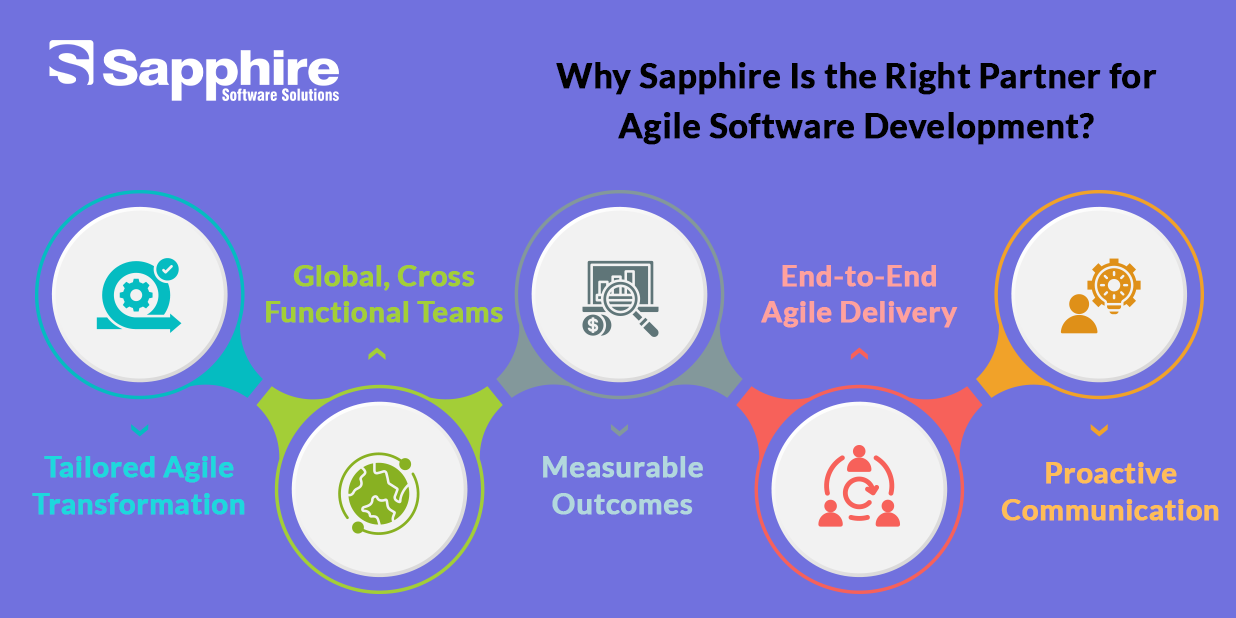
1. Tailored Agile Transformation:
We don't do rote checklists. Instead, we will meet you where you are. Whether you're just stepping into Agile or looking to refine your delivery, we show up—coaching teams, smoothing workflows, and embedding Agile practices like daily stand-ups, sprint demos, and retrospectives that stick.
2. Global, Cross-Functional Teams:
We’re not just developers—we’re your extended team. Product owners, Scrum Masters, UI/UX designers, QA testers, DevOps engineers—we bring them together from across time zones. That means progress is happening nearly 24/7. It’s like having development work across continents while you sleep.
3. Measurable Outcomes:
We’re big on transparency. From sprint velocity to user satisfaction, we track key metrics—and yes, we share those with you. So, you always know what’s happening, why decisions are made, and how value is being added every step of the way.
4. End-to-End Agile Delivery:
From backlog grooming and sprint planning to deployment and maintenance, we’ve got it covered. Whether you're building a fintech dashboard or a logistics platform, we adapt our workflow to fit your needs, not the other way around.
5. Proactive Communication:
You’ll never be caught off guard. With tools like Jira, Slack, Trello, and Confluence, we keep channels open and updates flowing. Regular check-ins and scrum ceremonies mean there are no surprises, just steady progress.
Whether you choose full Agile or Waterfall, Sapphire ensures your product gets built with precision, quality, and future-readiness.
Conclusion:
So, which software development method wins in the future: Agile or Waterfall?
Truth is, it’s not a slam dunk either way. Each has its own strengths—and real-world wins. The key is knowing your project’s needs, your team’s groove, and your customers’ expectations. That’s what makes the difference.
Lots of companies are leaning into a hybrid agile waterfall development model these days: using Waterfall’s structure where it counts, and Agile’s flexibility when stuff gets messy. Here’s the thing: it’s not about choosing Agile or Waterfall. It’s about delivering value—and doing it right. And that’s exactly where Sapphire Software Solutions comes in.
Unsure which path suits you best? Or want to build something scalable, user-focused, and smartly made? Let’s chat. We’ll help you choose, adapt, and build a future that makes sense.
Need expert guidance on Agile or Waterfall project management?
Reach out to Sapphire Software Solutions, your trusted Agile Software Development Company. We’ll help you design products that last using the right method and the right mindset.